
.avif)


Do you have any experience?
We match you with the perfect vocal coach for your goals, so you can learn to sing conveniently online - singing lessons with no waiting time. Right after signing up you get a no-obligation trial-lesson slot via WhatsApp.
After your free trial lesson, discuss your goals and availability with your vocal coach and start learning to sing right away.
Book your singing lessons flexibly online. In the SIRIUS Workspace you get unlimited access to vocal exercises outside your lessons, so you can keep practicing at home with our tools.
Want to learn to sing and looking for a vocal coach in Huntington, West Virginia? We work with SIRIUS-vetted vocal coaches. Based on your needs we match you with the perfect vocal coach - whether you are just starting to sing or looking for singing lessons for adults or kids. Want to work on your intonation, improve your head voice or explore breath training? Sign up for our free trial lesson and get a session proposal with your perfect vocal coach.
Our experienced vocal coaches help you unlock your full potential. Our technology, built for online singing lessons, guarantees excellent sound quality and lets you learn to sing from anywhere - with no extra software or download.

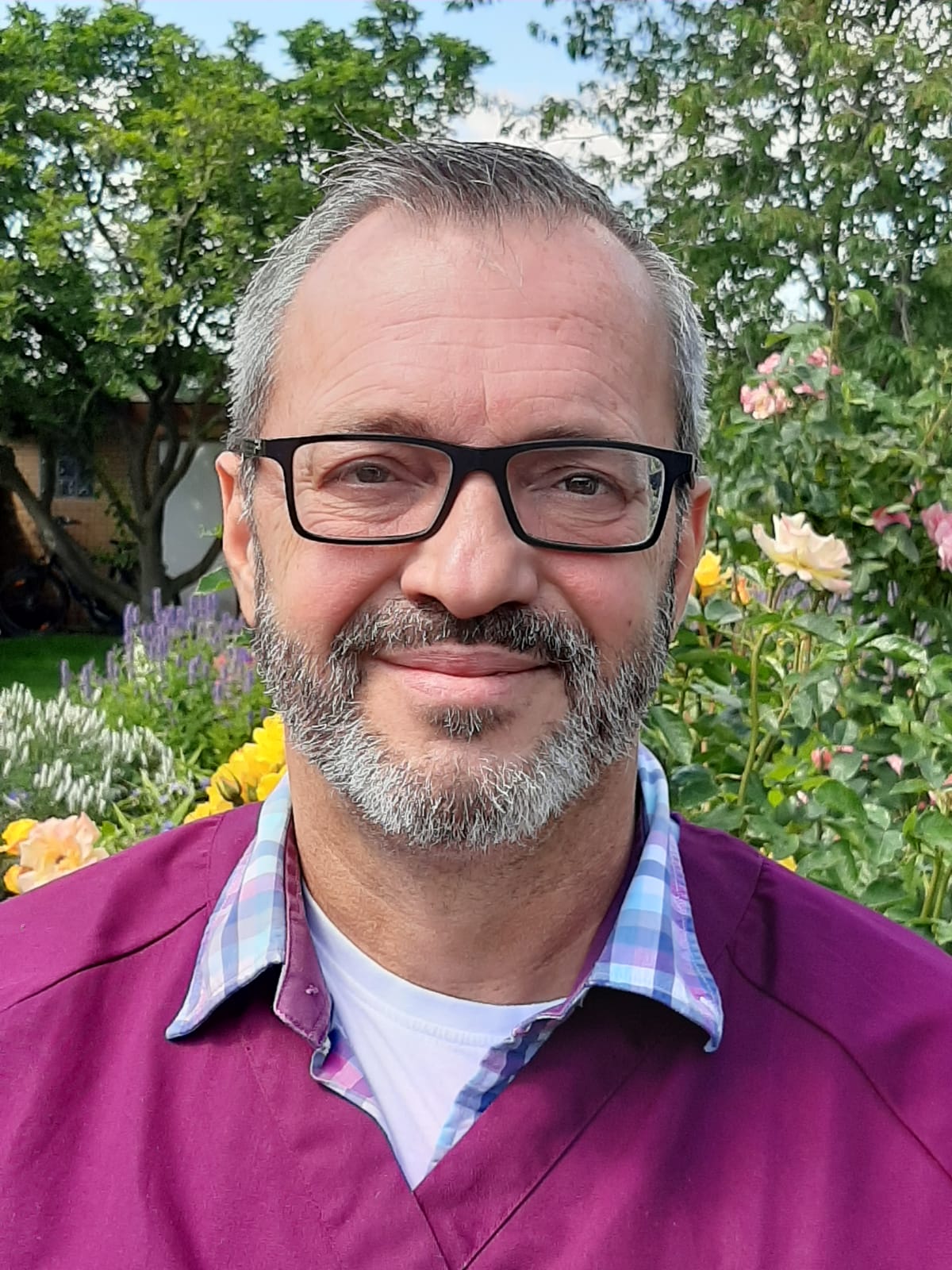

.avif)
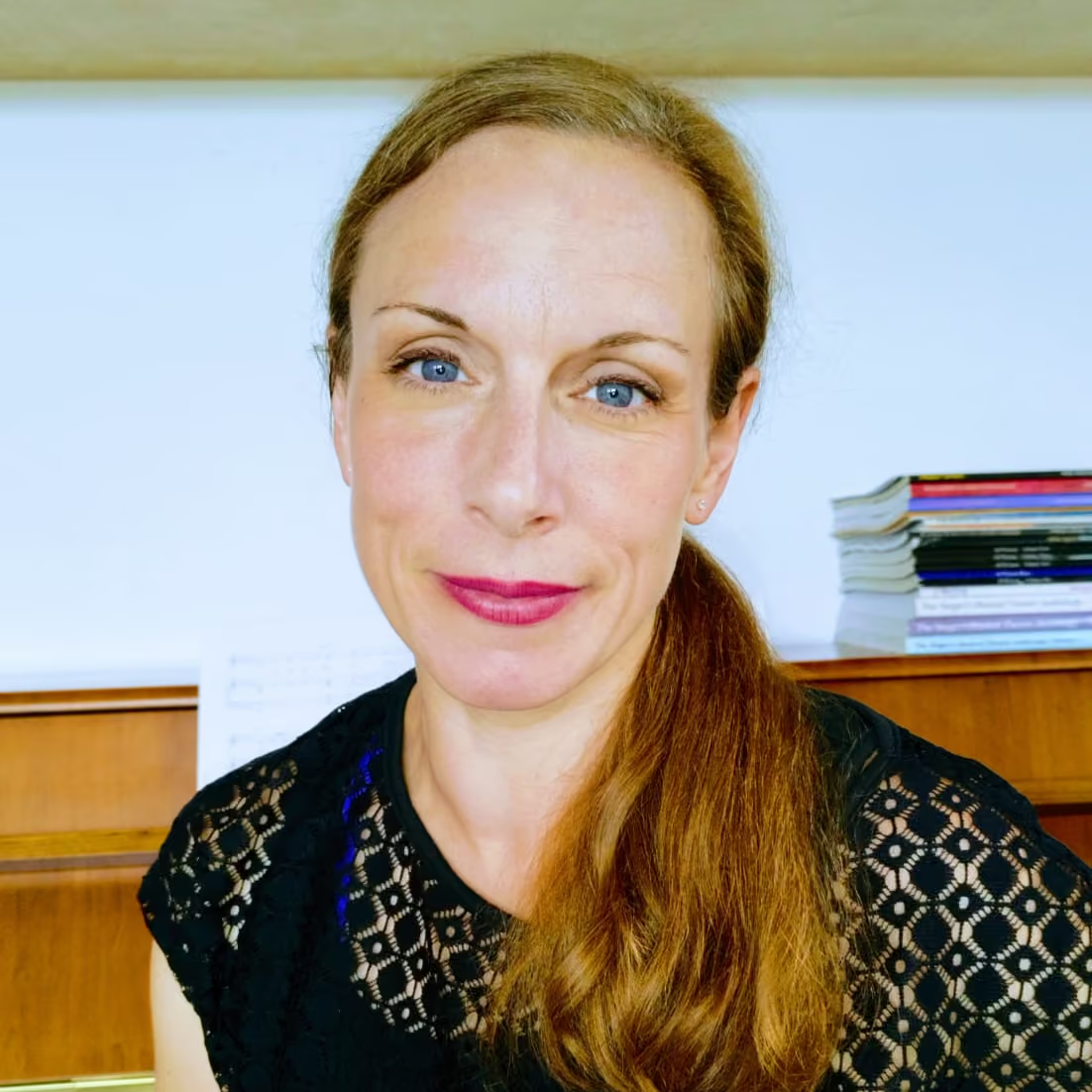
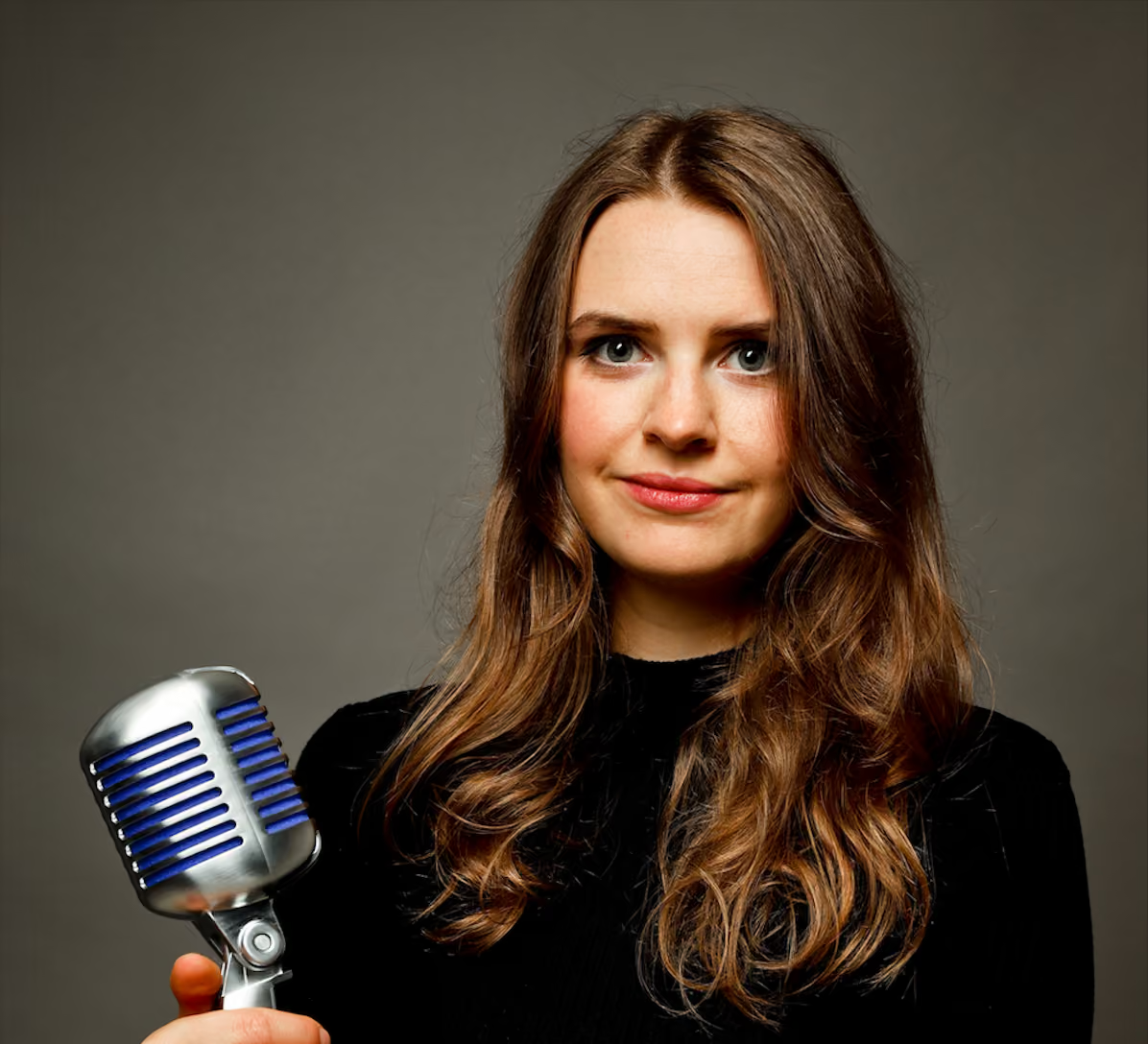
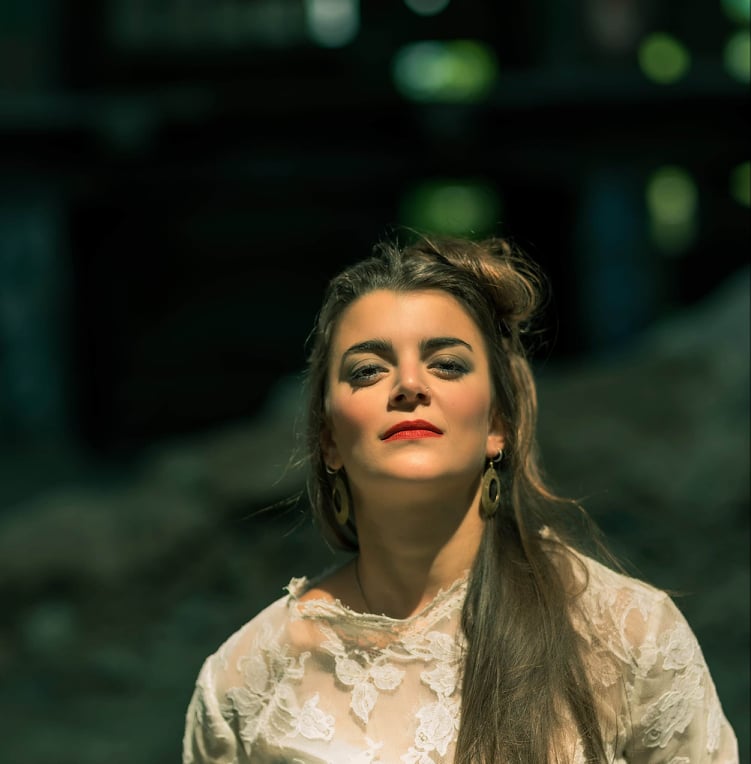

.avif)






SIRIUS gives you personal singing lessons tailored to your needs - from finding a coach to payment, everything runs smoothly through our platform. Whether you want to add lessons or reschedule, it all works effortlessly online through our booking tool. You can even rent a keyboard to accompany yourself while you sing.
Learn the fundamentals of music theory, expand your vocal range and develop your sense of intonation - whether you want to sing pop, jazz, opera, rock or metal. These voice lessons and vocal lessons always meet you at your level.
SIRIUS gives you not only professional singing lessons but exclusive access to a digital Workspace that makes learning to sing more efficient and structured. In the SIRIUS Cloud you find all key materials and targeted vocal exercises from your vocal coach - available anytime in one place. Lessons can be summarized automatically, and you can access recordings of your sessions to track progress and work on your vocal technique.
Alongside one-on-one lessons you can join monthly group sessions to connect with other singers, try new vocal exercises and get valuable feedback - so you benefit from individual coaching and the energy of the community.

More hours = a better price per hour. Every plan: 45-min one-on-one lessons with vetted teachers.
Perfect to get started.
/hour
/hour
2 hours / month
$80.10 / month
$89.00 / month
with a 6-month membership
with a 3-month membership
↓ You save $53.40 with a 6-month plan
For lasting progress.
/hour
/hour
3 hours / month
$98.10 / month
$109.00 / month
with a 6-month membership
with a 3-month membership
↓ You save $65.40 with a 6-month plan
Faster progress, more practice.
/hour
/hour
4 hours / month
$116.10 / month
$129.00 / month
with a 6-month membership
with a 3-month membership
↓ You save $77.40 with a 6-month plan
All prices incl. VAT · Pause anytime
Do you have any experience?
Many music students worldwide already trust SIRIUS.
“Maya is very friendly and competent. The singing lessons are great! ”
.avif)
Lily
Singing student
“I've been studying singing with Jessica for 8 months now and I'm still having fun:)”
.avif)
Maria
Singing student
“Self-learning videos for learning to sing were not my thing. But since I discovered singing lessons with Lena about Sirius, I've been fully motivated.”
.avif)
Georgina
Singing student
“I'm taking singing lessons for the first time and I just love Sirius. I've received a lot of valuable tips from Habib. I really recommend it to you guys.”

Lucas
Singing student
“Lena not only knows about singing lessons, but also makes the lesson a real experience. It is always my highlight of the week.”
.avif)
Carl
Singing student
Expect $50 to $90 an hour around the tri-state, with conservatory-trained teachers at the upper end. The first session goes unbilled, which is the only fair way to set one teacher beside another.
Nearly anyone. Revella Hughes was born on Seventh Avenue in 1895 and began singing lessons at five; she ended up on Broadway and on Black Swan records, then came home and ran music in the county's schools for a decade. That is a teaching story, not a talent story.
Around seven, in short lessons. Through the change a teenager does better with a trained ear close by than with a year of waiting it out. At the far end there is no cutoff; in a town of nurses and students, a lot of people start in their forties.
Two months in, your own recordings stop sounding the same. A year alters what a room sounds like. Past that the work becomes microscopic, which puts some people off and keeps the rest.
They do. A lesson has to move exactly two things - a precise ear outward and a model back - and a solid connection moves them. In February on the Ohio, not leaving the house has its own argument.
Do you have any experience?
More cities in West Virginia
Singing lessons by state
Huntington was built to a plan. Collis Huntington needed a western terminus for the Chesapeake and Ohio Railway, and in 1871 a Boston engineer laid out a numbered grid of avenues on the flood plain where the Guyandotte meets the Ohio. The railroad arrived in 1873 and the town prospered on coal, glass and rail cars. It has since lost roughly half the population it had in 1950, from about eighty-six thousand then to just under forty-five thousand now, in a county of ninety-one thousand and a tri-state metro of three hundred and sixty-six thousand. What holds it up now is medicine and education: Marshall University enrolled over thirteen thousand students last fall, and the two hospital systems are among the largest employers in the region. Charleston is forty-four miles east.
Because the ceiling here is unusually high and the front doors are unusually specific. Marshall's School of Music runs voice to master's level, a Chamber Choir, and a University Chorus nobody has to audition for; all of it, though, is for people enrolled there. The one Marshall door that opens outward is the Opera Workshop, which states plainly that it welcomes local singers alongside its own. Beyond campus: the Huntington Symphony formed a chorus of about fifty voices in 2021 and sang Haydn's Creation with it at Fifth Avenue Baptist in April 2026; the a cappella ensemble Renaissance passed its fortieth anniversary in December 2025; and First Presbyterian rehearses a Sanctuary Choir on Wednesday evenings that is open to all without an audition. That last one is the clearest no-barrier entry point in the city.
The gap between the open door and the high ceiling is exactly where a teacher earns their keep. A church choir will have you this Wednesday and will never explain why your third verse loses its body. A university ensemble knows why and will not take you at all. One hour a week with one person closes that distance, and closes it in the order your particular voice needs rather than in the order a syllabus prescribes.
Nothing above the breath can be trusted until the breath is sorted. Then pitch that stands up in front of people, a change of register with no seam showing, and enough held back to finish a full program instead of one song. Words and reading come last in the teaching order and travel furthest down a hall.
The matching is done by a human being who has read your repertoire. The first hour is ours. Scheduling belongs to you, rearranging included.
Everything in a voice lesson rides on the audio. We built there first and let video follow. A breath running out too soon, a vowel going wide under load: both arrive live and get handled before the line ends. Everything the hour produces stays in your workspace.
The Keith-Albee opened on Fourth Avenue in May 1928, a Thomas Lamb atmospheric house built by the Hyman brothers, and it seats two thousand four hundred and seventeen today after a restoration running to some thirty million dollars; the front of house is finished and the building is busy. Two Huntington-born women belong on any singing page. Revella Hughes, born here in 1895, took her first lessons at five, trained at Oberlin and Howard, recorded for Black Swan and worked with Ellington and Waller, then returned in 1932 and spent ten years as music supervisor for Cabell County's Black schools. Anna Fitziu, born here in 1887, sang the world premiere of Granados's Goyescas at the Metropolitan Opera in 1916 and, after retiring from the stage, became a voice teacher whose students included Shirley Verrett. Hawkshaw Hawkins, born here in 1921, went from WSAZ to the Grand Ole Opry. One honest note: Mountain Stage is a Charleston program, not a Huntington one, though it does tape at Marshall - most recently in February 2026, and again this November.
Our students sign on from Ritter Park and Southside, from Guyandotte and Westmoreland, and from Barboursville, Ashland and Ironton.
Nursing rotations, a semester that stops hard twice a year, and a downtown that empties on a different clock from the hospitals make a set weekly slot across town precarious. One that opens on the kitchen table is not.
Book the free hour. Bring something you already know and let a trained listener tell you what is happening inside it.
A city that sent a five-year-old with voice lessons to Broadway, and a soprano to the Met, should be turning out more singers than it does. Start a few blocks up from the floodwall, at home.



.avif)
.avif)
