
.avif)


Do you have any experience?
Tell us what you want to work on and we match you with one of more than 150 vetted vocal coaches, taking your own criteria into account. The first lesson is a free trial lesson with no obligation, and you decide after it whether to carry on.
After the trial you and your coach agree on a weekly slot. Every lesson runs 45 minutes, one-on-one and live over video, and the hourly rate starts at $29 in a monthly plan. You can move a lesson or switch coaches in the booking tool.
Singing is technique before it is talent, and technique answers to work. The first audible changes - steadier breath, a cleaner start to a phrase, a note that stops sliding - usually come after a few weeks of regular practice. How far you go from there depends on how often you practice between lessons, which is what the exercises in your SIRIUS Workspace are for.
No one is too late to begin singing: a private voice lesson lets you work on the range you already have, one-on-one, without singing in front of a group. For a child, a one-on-one lesson keeps all 45 minutes on one voice rather than on a room full of them.
Beginners need no prior experience at all. Every voice can be trained, and the first lessons are about breath, support and intonation rather than repertoire. Our coaches work with complete beginners as often as with experienced singers, and every lesson is built around your own voice and your own goals.


.avif)

.avif)






Fayetteville has singing lessons of its own, and they run through the university: a community music school that teaches at any age, in person or online, with published rates from $15 for half an hour. What we found no trace of is a private voice studio in the city with its own published subjects. A coach online is matched to your voice rather than to whoever on the roster has an opening, and the rate does not move with the teacher's degree.
Online lessons take the travel out of the week: no drive, no parking, and a slot that stays the same even when the rest of the week does not. Your coach hears you live over video, sees your posture and your breathing, and can record a phrase for you to copy back between lessons. If a coach turns out not to fit, you switch in the booking tool.
SIRIUS has over 150 singing teachers, part of more than 400 music teachers across vocals, piano and guitar. Every one of them is vetted and handpicked before a single lesson, carries a SIRIUS certification, and stays in regular training and quality control. We teach every level and every age, from a first lesson to stage-ready.
You are matched rather than assigned: tell us your style, your goals and your schedule, and we find the coach who fits them. Lessons run live over video on software we developed ourselves for music lessons, so the sound carries the detail a voice lesson depends on, with nothing to install. In the SIRIUS Workspace you keep the exercises and the recordings from your lessons.

More hours = a better price per hour. Every plan: 45-min one-on-one lessons with vetted teachers.
Perfect to get started.
/hour
/hour
2 hours / month
$80.10 / month
$89.00 / month
with a 6-month membership
with a 3-month membership
↓ You save $53.40 with a 6-month plan
For lasting progress.
/hour
/hour
3 hours / month
$98.10 / month
$109.00 / month
with a 6-month membership
with a 3-month membership
↓ You save $65.40 with a 6-month plan
Faster progress, more practice.
/hour
/hour
4 hours / month
$116.10 / month
$129.00 / month
with a 6-month membership
with a 3-month membership
↓ You save $77.40 with a 6-month plan
All prices incl. VAT · Pause anytime
Do you have any experience?
Many music students worldwide already trust SIRIUS.
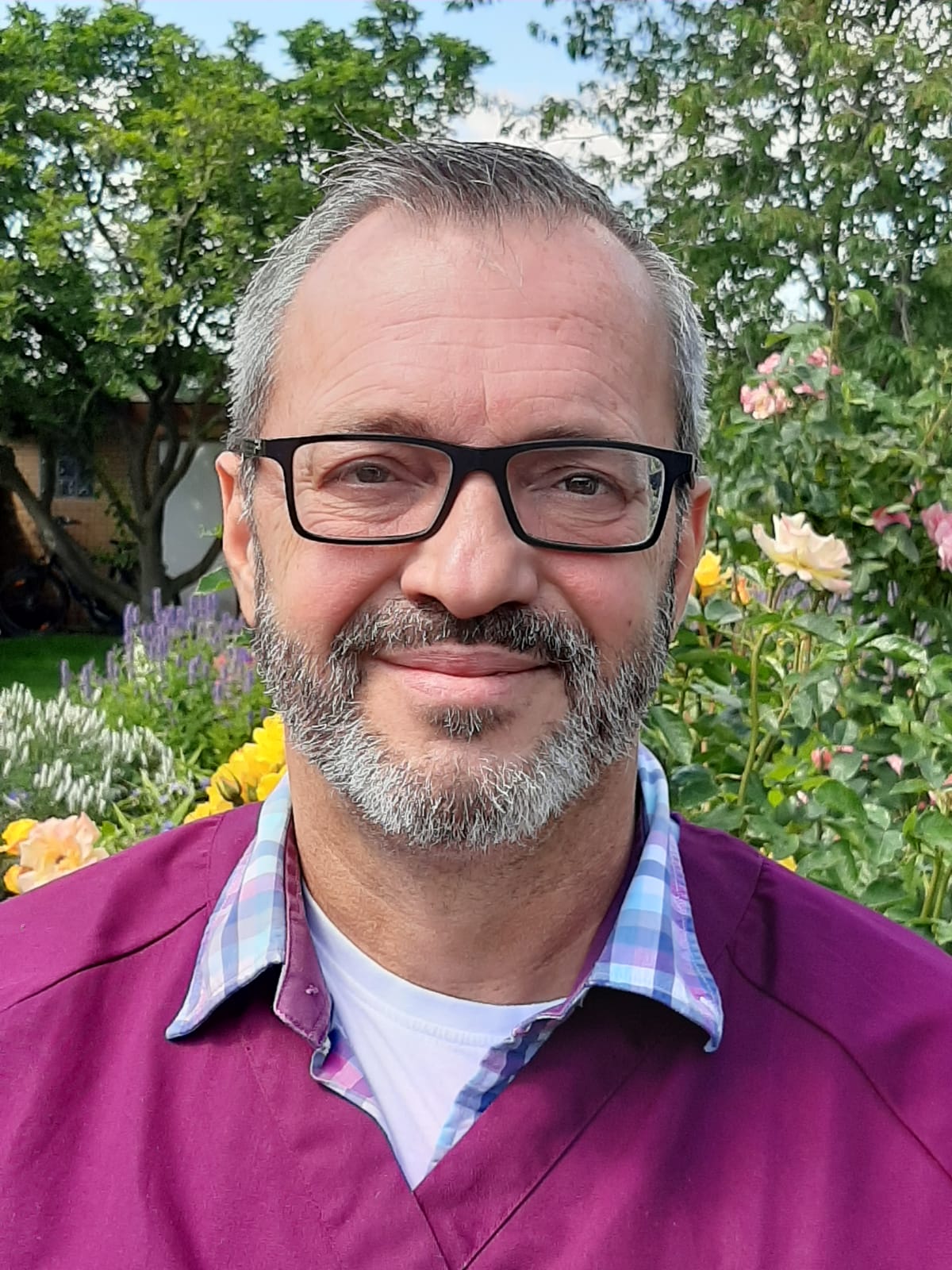
“Maya is very friendly and competent. The singing lessons are great! ”
.avif)
Lily
Singing student
“I've been studying singing with Jessica for 8 months now and I'm still having fun:)”
.avif)
Maria
Singing student
“Self-learning videos for learning to sing were not my thing. But since I discovered singing lessons with Lena about Sirius, I've been fully motivated.”
.avif)
Georgina
Singing student
“I'm taking singing lessons for the first time and I just love Sirius. I've received a lot of valuable tips from Habib. I really recommend it to you guys.”

Lucas
Singing student
“Lena not only knows about singing lessons, but also makes the lesson a real experience. It is always my highlight of the week.”
.avif)
Carl
Singing student
A lesson is 45 minutes, and in a monthly plan the hourly rate starts at $29. Your trial lesson is free. A plan covers two, three or four hours a month on a three- or six-month membership; more hours and a longer term bring the hourly rate down. You can pause or adjust your plan at any time. The university's community music school in Fayetteville publishes a full table, $15 to $25 for a 30-minute lesson and $30 to $50 for an hour depending on the teacher, plus a $50 registration fee per family each semester.
Yes. Singing is a trainable skill: breath, support and intonation all answer to practice, and you need no prior experience to start. True amusia, an actual inability to hear pitch, affects only about one person in seventy, and almost nobody who believes they cannot sing turns out to be one of them. The free trial lesson is the cheapest way to hear where your voice stands.
A private lesson and a group class do different jobs. One-on-one, every correction is about your voice - where the breath gives out, where the register changes - and all 45 minutes are yours. A choir or a class gives you what a lesson cannot: other voices around you, and the experience of singing on a stage. Fayetteville has a strong group option: seven choirs in the university music department, five of them without an audition, and one non-credit chorale that takes singers from the city.
Most voice teachers start children at around seven to nine, when a child can hold attention for a full 45-minute lesson; the free trial lesson is where you and the coach find out whether yours is ready. A teenager whose voice is changing can keep singing right through it, and that is when a coach matters most. Adults start with us at every age, and nobody is too late.
Yes, and the reason is specific to singing. A voice lesson is mostly listening, demonstrating and repeating, and none of that needs the same room. Your coach watches breath and posture on camera and sends you a recording of the phrase to practice against. Face-to-face singing lessons do exist in Fayetteville, on the university campus; the nearest city larger than Fayetteville is 91 miles away, and we did not examine what is taught there.
Do you have any experience?
More cities in Arkansas
Singing lessons by state
Fayetteville is a university town and the largest city in its corner of Arkansas, and both facts shape the singing.
The university's music department lists more than thirty ensembles, including seven choirs; five of the seven take singers without an audition, and two of those are open to people from the city as well as students. Voice is one of thirteen areas of study there, and the big ensembles play in a 600-seat hall on campus. The same department runs a community music school that teaches one-on-one at any age, in person or online, and a children's choir of more than 150 singers that does audition.
Off campus, the arts center is seated here, as are a symphony orchestra, an opera company, a folk school and a professional theater. One Episcopal congregation keeps an adult choir, a children's choir, a youth choir and handbells, and writes that all are welcome to join.



.avif)
.avif)
