
.avif)


Do you have any experience?
We match you with the perfect vocal coach for your goals, so you can learn to sing conveniently online - singing lessons with no waiting time. Right after signing up you get a no-obligation trial-lesson slot via WhatsApp.
After your free trial lesson, discuss your goals and availability with your vocal coach and start learning to sing right away.
Book your singing lessons flexibly online. In the SIRIUS Workspace you get unlimited access to vocal exercises outside your lessons, so you can keep practicing at home with our tools.
Want to learn to sing and looking for a vocal coach in Sanford, North Carolina? We work with SIRIUS-vetted vocal coaches. Based on your needs we match you with the perfect vocal coach - whether you are just starting to sing or looking for singing lessons for adults or kids. Want to work on your intonation, improve your head voice or explore breath training? Sign up for our free trial lesson and get a session proposal with your perfect vocal coach.
Our experienced vocal coaches help you unlock your full potential. Our technology, built for online singing lessons, guarantees excellent sound quality and lets you learn to sing from anywhere - with no extra software or download.





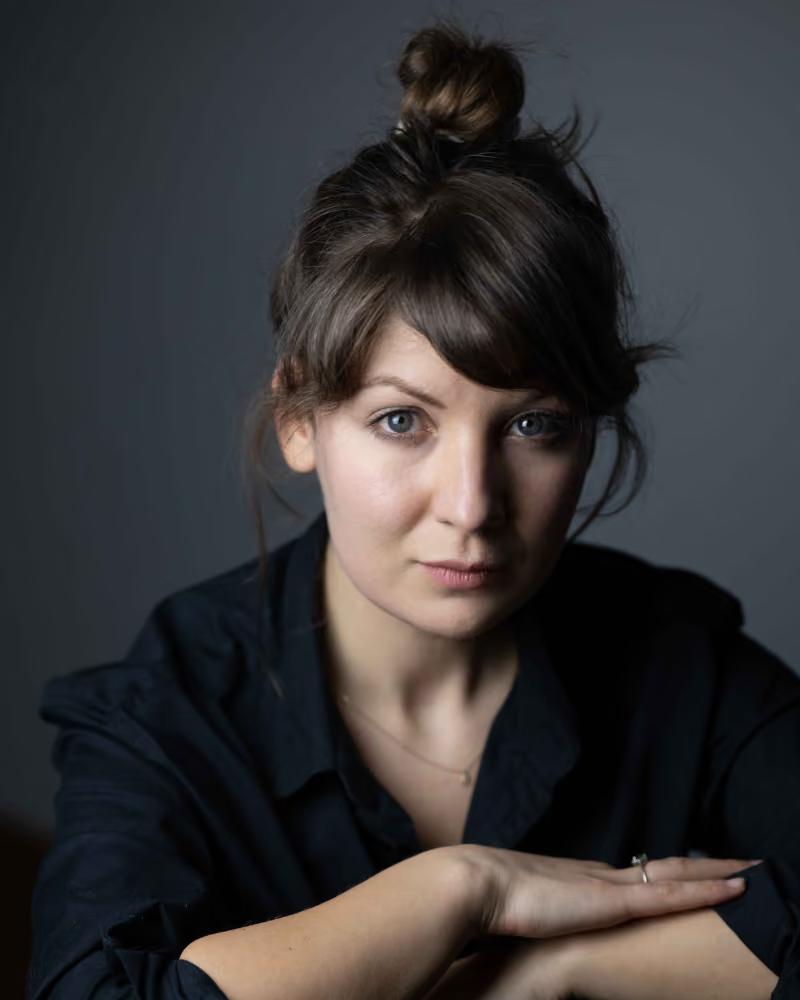


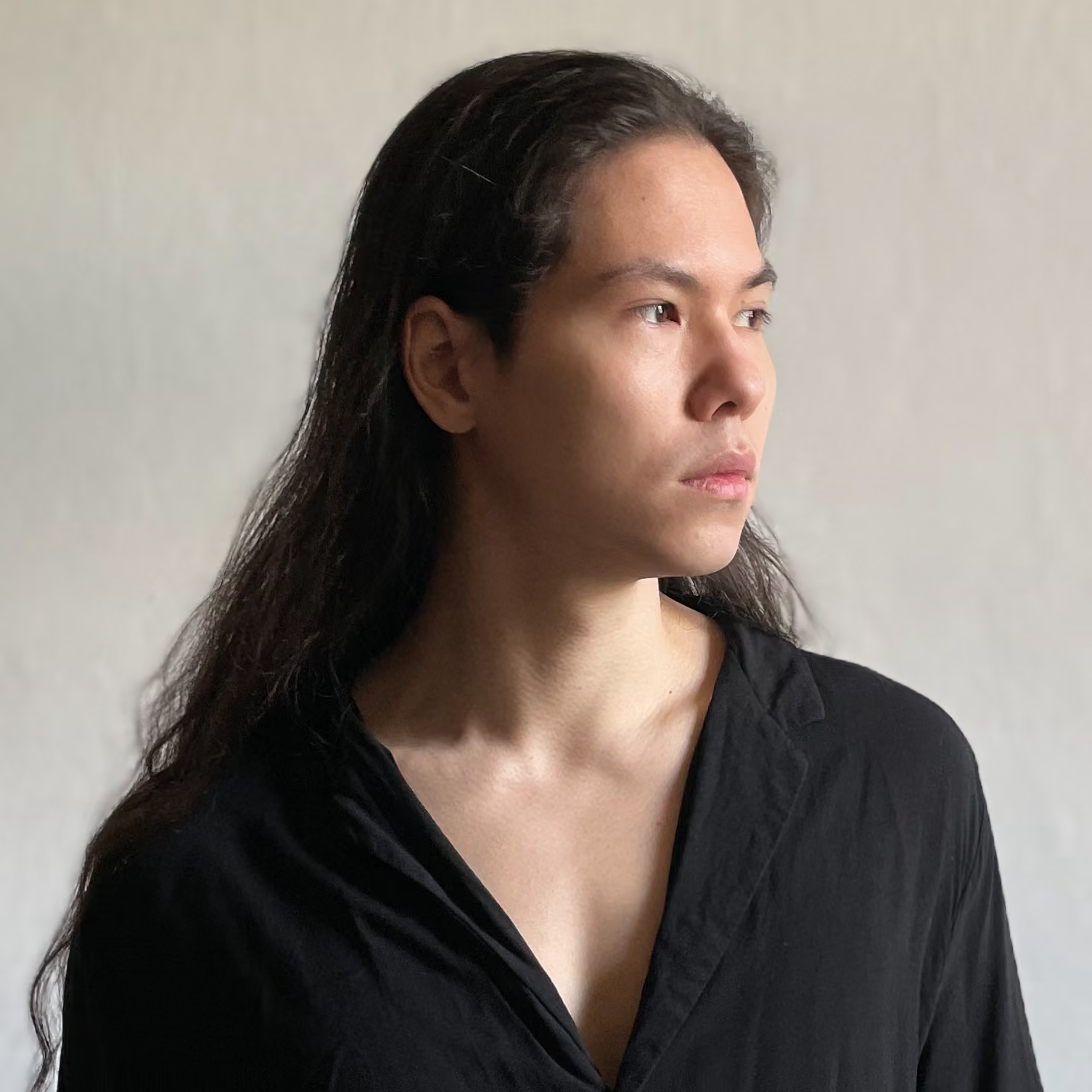


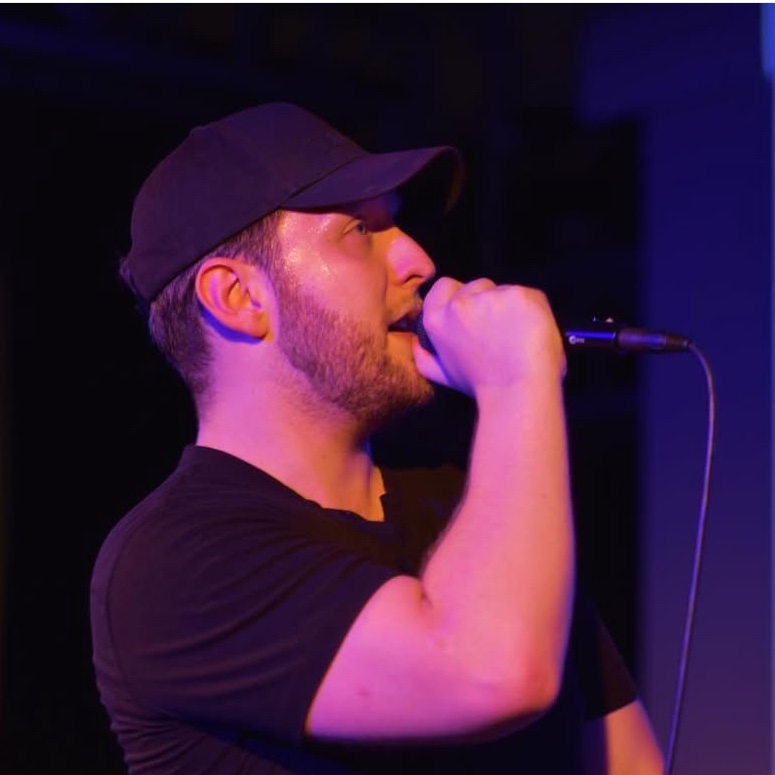


SIRIUS gives you personal singing lessons tailored to your needs - from finding a coach to payment, everything runs smoothly through our platform. Whether you want to add lessons or reschedule, it all works effortlessly online through our booking tool. You can even rent a keyboard to accompany yourself while you sing.
Learn the fundamentals of music theory, expand your vocal range and develop your sense of intonation - whether you want to sing pop, jazz, opera, rock or metal. These voice lessons and vocal lessons always meet you at your level.
SIRIUS gives you not only professional singing lessons but exclusive access to a digital Workspace that makes learning to sing more efficient and structured. In the SIRIUS Cloud you find all key materials and targeted vocal exercises from your vocal coach - available anytime in one place. Lessons can be summarized automatically, and you can access recordings of your sessions to track progress and work on your vocal technique.
Alongside one-on-one lessons you can join monthly group sessions to connect with other singers, try new vocal exercises and get valuable feedback - so you benefit from individual coaching and the energy of the community.

More hours = a better price per hour. Every plan: 45-min one-on-one lessons with vetted teachers.
Perfect to get started.
/hour
/hour
2 hours / month
$80.10 / month
$89.00 / month
with a 6-month membership
with a 3-month membership
↓ You save $53.40 with a 6-month plan
For lasting progress.
/hour
/hour
3 hours / month
$98.10 / month
$109.00 / month
with a 6-month membership
with a 3-month membership
↓ You save $65.40 with a 6-month plan
Faster progress, more practice.
/hour
/hour
4 hours / month
$116.10 / month
$129.00 / month
with a 6-month membership
with a 3-month membership
↓ You save $77.40 with a 6-month plan
All prices incl. VAT · Pause anytime
Do you have any experience?
Many music students worldwide already trust SIRIUS.
“Maya is very friendly and competent. The singing lessons are great! ”
.avif)
Lily
Singing student
“I've been studying singing with Jessica for 8 months now and I'm still having fun:)”
.avif)
Maria
Singing student
“Self-learning videos for learning to sing were not my thing. But since I discovered singing lessons with Lena about Sirius, I've been fully motivated.”
.avif)
Georgina
Singing student
“I'm taking singing lessons for the first time and I just love Sirius. I've received a lot of valuable tips from Habib. I really recommend it to you guys.”

Lucas
Singing student
“Lena not only knows about singing lessons, but also makes the lesson a real experience. It is always my highlight of the week.”
.avif)
Carl
Singing student
<p>Singing lessons start at $29 here, with a free trial hour before them. Only one amount gets published about us, and it is a starting figure because you decide the length and the frequency. The figures around town belong to the places that set them: a Temple Theatre adult ticket is $40 and an eight-week Temple Academy course begins at $160, both of those being that house's own figures. What you spend with us follows a plan agreed in advance, and you will have seen it before anything is charged.</p>
<p>The Fair Promise ministries list names four choirs and puts no joining condition beside any of them - no audition, no experience named - so admission is not the obstacle here. In practice the phrase almost always covers something specific: breath running out before the line does, an unguided passage between registers, or pitch that slides for want of anyone correcting it in the moment. All three are trainable, and a teacher hearing you by yourself can say which one is yours the first time you sing.</p>
<p>The better question is what for, not from when. A youngster hoping to sing in a school show needs something different from an adult preparing an audition piece, and the aim matters far more than the birthday. Beginning early works as soon as a child wants to, with the lesson kept short. Teenagers gain most during the years the voice is physically changing. Plenty of people arrive after a gap of thirty years and find the gap matters less than they feared. Your teacher starts from the goal you name.</p>
<p>First you hear the difference yourself. Then your coach stops mentioning the thing that was wrong. Then a room notices. Breath and stamina shift earliest, since those are muscle and muscle answers to repetition. A clean crossing between registers is the work of several months. Phrasing has no end point. Nobody can hand you a date, but that sequence holds for most people, and its first step arrives sooner than expected.</p>
<p>Eighteen evenings a year in this town you have to travel to. Your own lesson you do not. That is most of the answer. The hour reaches you where you are, and the answer to what you just sang arrives before the phrase has faded. A choir blend genuinely needs one room and many bodies. Your technique needs one listener, and a screen carries one listener perfectly well.</p>
Do you have any experience?
At 120 Carthage Street two published amounts point in opposite directions. One is what it costs to sit and watch: $40 for an adult ticket at the Temple Theatre, $25 for a child or a student, $35 for active military and Lee County educators. The other is the cost of being taught in the same building: Temple Academy courses begin at $160 for an eight-week session, with no audition required. Watching has a price here. So does learning. They are not the same transaction, and the same house prints both.
Elsewhere in town the second figure simply is not there. The city runs two free concert series and says so in its own words - there is no charge to attend - across the eighteen dates the town published for 2026, Thursdays from 6:30 p.m. to 8 p.m. at Depot Park, 106 Charlotte Avenue, and Second Sundays at 5 p.m. in Kiwanis Family Park. The Lee County Community Orchestra, going since 1988, rehearses most Tuesdays at 6:30 p.m. in the Fine Arts Building at Lee County High School, and the published way in is an email address instead of a fee: write to lccorch@gmail.com if you are interested in becoming an orchestra musician.
So listening carries a price on Carthage Street and none at all in the parks, and playing has a doorway that costs nothing to walk through. Being taught is the part with a number attached.
The two amounts on Carthage Street measure different things. One buys a seat for an evening. The other buys eight weeks of tuition. Both belong to that house, and neither is our figure - what we sell is an hour of one teacher's undivided attention. In an ensemble the sound coming back at you is everyone's at once, and your own line is the hardest thing in it to pick out. Sixty minutes with one listener has a property neither figure on Carthage Street can offer: every correction in it has a single address.
A director calls out a result. A lesson works on the cause. The register change gets attention first, since the join between two parts of the voice is where most singers audibly give up. Then pitch, steadied at the bar where it actually drifts. Then breath, usually the reason the pitch drifted. Then phrasing, then stamina, in that order and at your pace. It is closer to physiotherapy than to rehearsal: fewer people, more repetitions, and a reason given for each one.
Eighteen published evenings cost nothing to attend. A coach is not among the things they include. SIRIUS fills that gap: a vocal coach matched to the repertoire you intend to sing, a written plan to hold yourself to, appointments booked and moved online, and an opening lesson nobody invoices. None of it waits on a season being open, a cast being announced or a Thursday coming round. Sanford publishes a great deal for nothing, and generously so - just not this.
The orchestra's year has four fixed points: October, December, March and May. A week has one, and it repeats. Lessons happen over video, carried by audio designed around singing, and what happened in the hour stays afterward as a file. That is the part worth having, since the useful detail escapes you at the moment of singing it. Next Tuesday the file still has it.
Fair Promise AME Zion Church at 712 Wall Street organizes its singers by which Sunday they sing on. The Family in Christ Gospel Singers take the first, the Divine Voices for Christ Contemporary Choir the second, the Male Chorus the fourth and Voices of Praise the fifth - four named choirs on four Sundays, and the published list leaves the third Sunday blank. The two rehearsal notes are built differently too: the Male Chorus meets Thursday at 7pm preceding 4th Sunday, once per Sunday sung, while Voices of Praise meets Thursdays at 7pm, weekly, for a Sunday that does not occur every month. At 240 Fields Dr, First Calvary Missionary Baptist lists a Music Ministry with Mr. Jasen Thompson as its contact. The Temple Theatre's 2026/27 mainstage season opened with 1776 in September and runs on through White Christmas in December. Central Carolina Community College publishes four music course numbers, all of them described as listening and theory.
Temple Academy draws its lines by year of birth: the Book It! repertoire class at ages 9 and up, one music ensemble at 8 to 12, another at 13 to 18, and private voice lessons at 11 and up. Fair Promise sorts by Sunday and not by age at all. All of it exists so that a group can be assembled and taught together. Nothing has to be assembled for one singer: the voice arrives, at whatever age, and the work starts from what it is doing. A 12-year-old and a 60-year-old frequently need the same correction, and they rarely need it explained the same way.
Look at the fixed points. The orchestra takes most Tuesday evenings. The Male Chorus and Voices of Praise both meet Thursday evenings at 7:00 p.m. Temple Academy runs its Monday classes at 4:00 p.m., 5:00 p.m. and 8:00 p.m., and its ensembles on Saturday afternoons. The Lee County library on Hawkins Avenue closes at 8:00 p.m. Monday to Thursday and at 5:00 p.m. on Fridays and Saturdays. Each is a slot somebody else chose. The Buzzline microtransit that might get you to one costs $5 per ride and runs until 8:00 p.m. on weekdays. Online teaching has none of those edges. Not one of those doors has to be open. There lies the difference between an hour you set yourself and an hour that ends when the library locks its doors.
Across eighteen published dates in 2026 you can sit in a park in this town and listen to somebody else perform. Doing so is a pleasure, and it teaches you almost nothing about your own voice. The alternative takes an hour. Sing a piece you already know; one person hears every bar of it, and an hour later you know two things you did not know before: which bar your breath runs out in, and what to do about that. No audition, no season, no waiting for a Thursday. What you risk is sixty minutes.
Sanford publishes its music generously and prices very little of it. Two concert series say in plain words that attendance is unpriced, an orchestra opens with an email address, and the house on Carthage Street prints two amounts, pointing opposite ways. Being taught is the part that costs something, and the part that changes how you sound. Sixty minutes a week, aimed at one voice, does something a season of listening cannot do for yours.



.avif)
.avif)
