
.avif)


Do you have any experience?
Hast du bereits Erfahrung?
Tell us your goals and we pair you with a SIRIUS-vetted piano teacher who fits them, so you can start playing online at a time that fits your week.
After the free trial lesson you agree on times directly with your teacher, and you can move a session whenever work, school or family gets in the way.
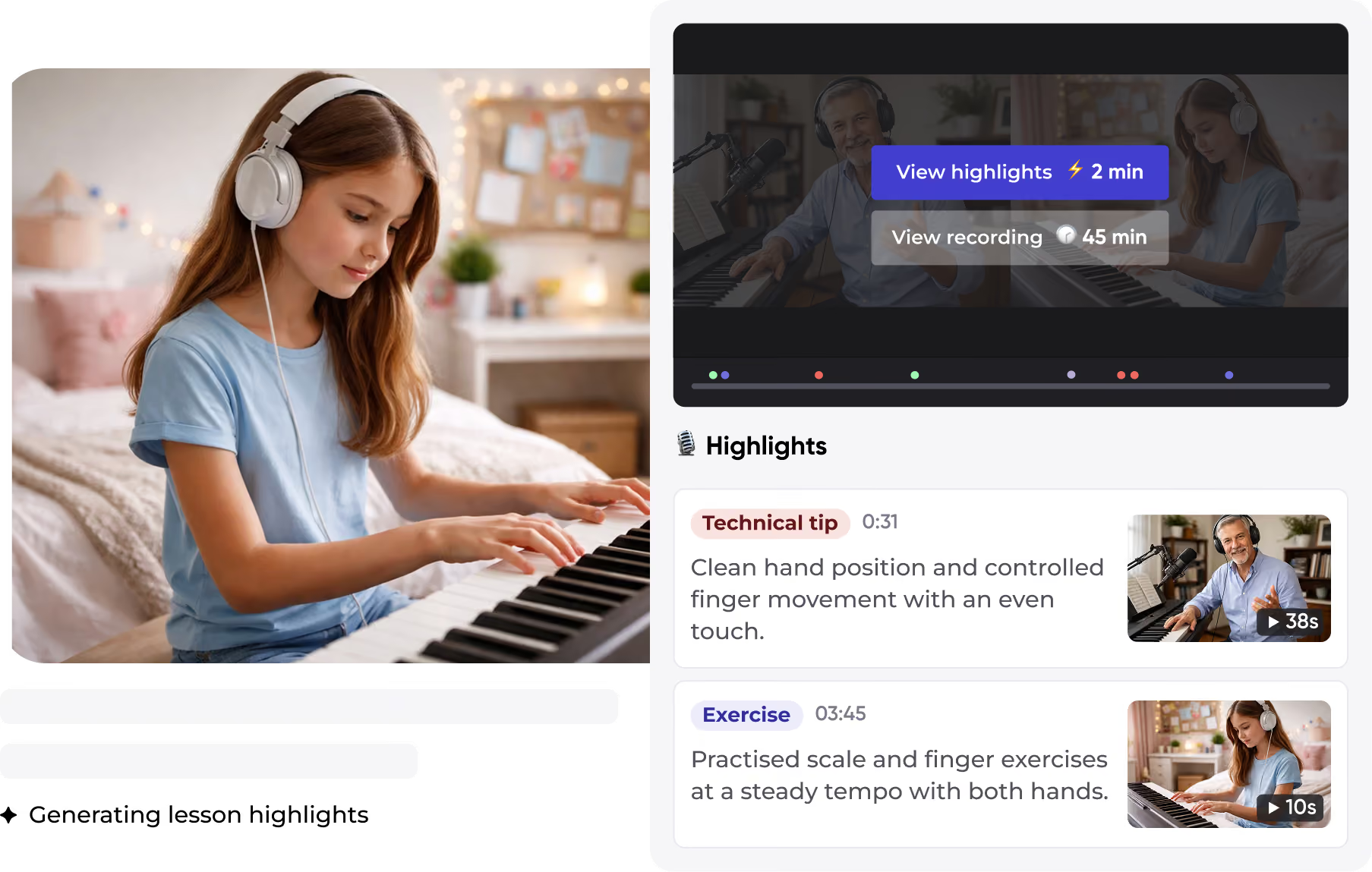
The SIRIUS Workspace holds your sheet music, the exercises your teacher assigns and the recordings of your sessions, so the days between lessons stay productive.
Do you want to learn piano and find a piano teacher in St. Louis? We work with more than 150 SIRIUS-vetted music teachers and match you with the one who suits your goals, whether you are pressing your first keys or returning to an instrument you left behind years ago. Classical repertoire, pop songs, jazz voicings or the styles you grew up hearing: you decide what your lessons are about.
Our teachers help you build technique that lasts instead of habits you later have to unlearn. The SIRIUS platform was developed for online instrumental teaching, so sound quality stays clear enough to hear touch and pedaling, and you can join from anywhere in St. Louis without installing extra software.

.avif)

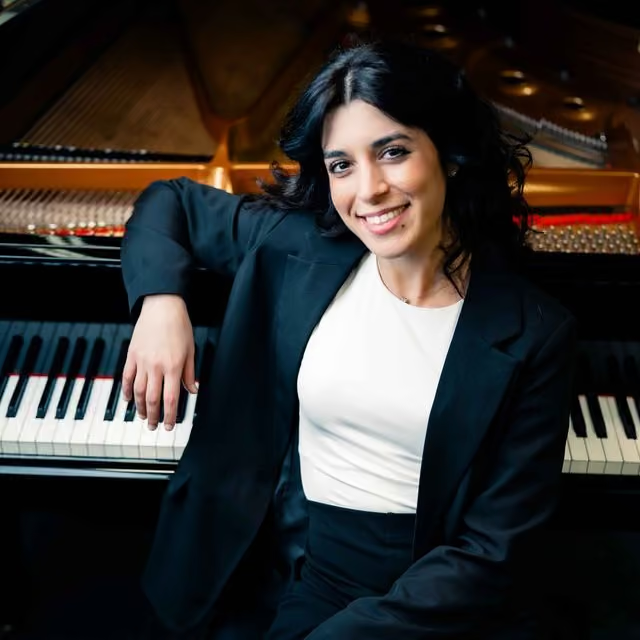





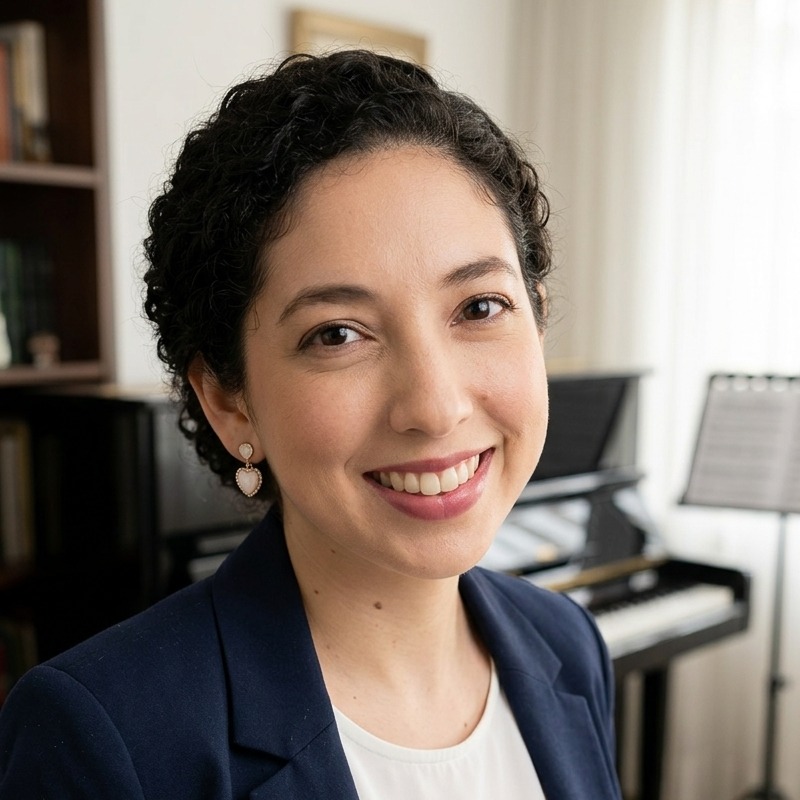

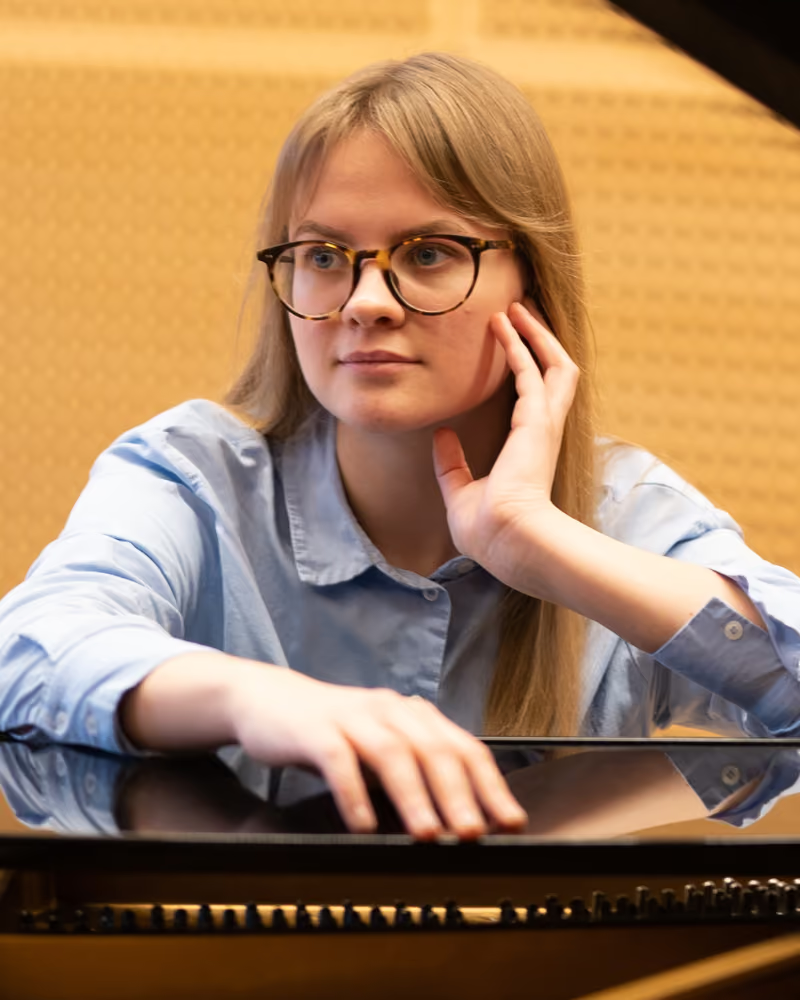

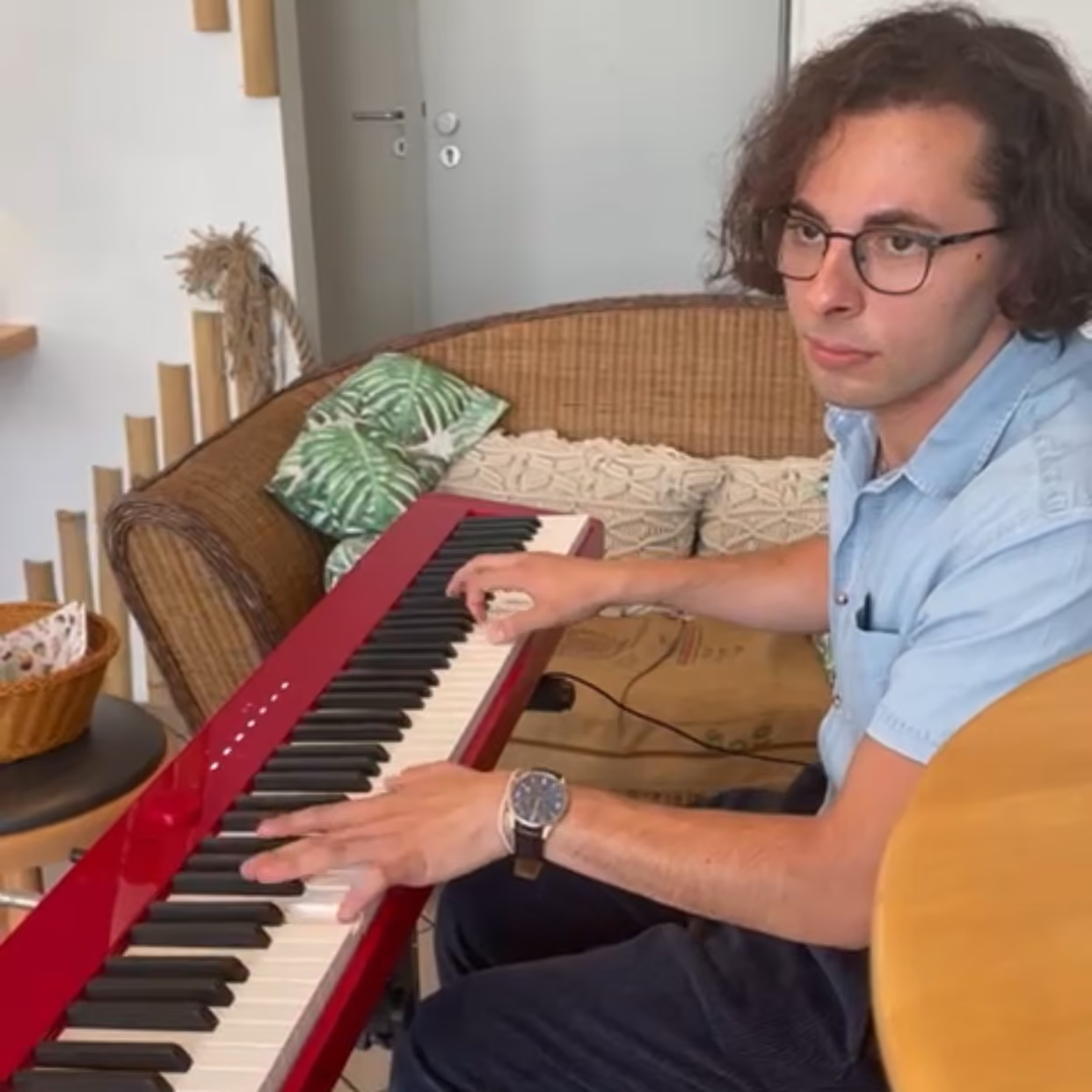



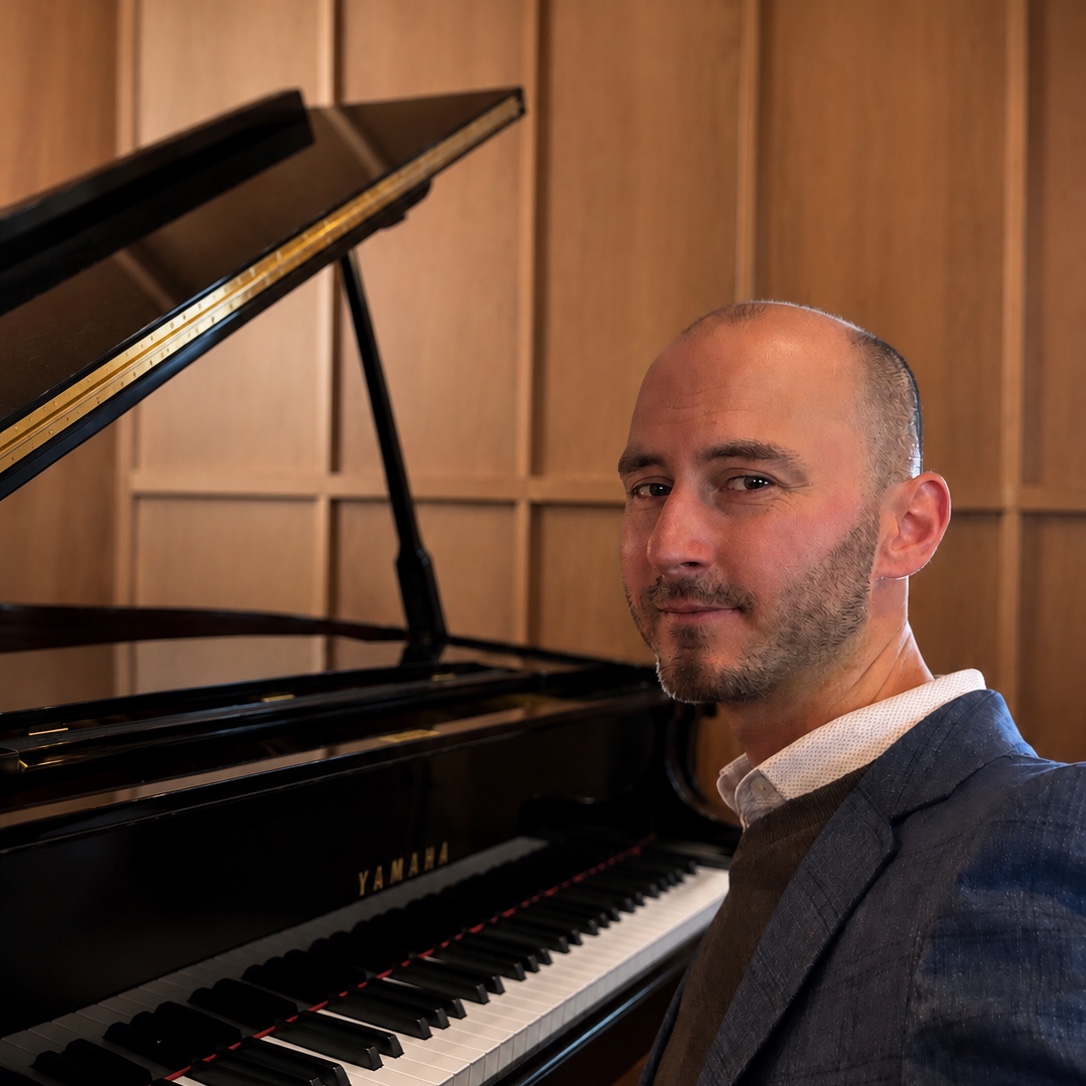
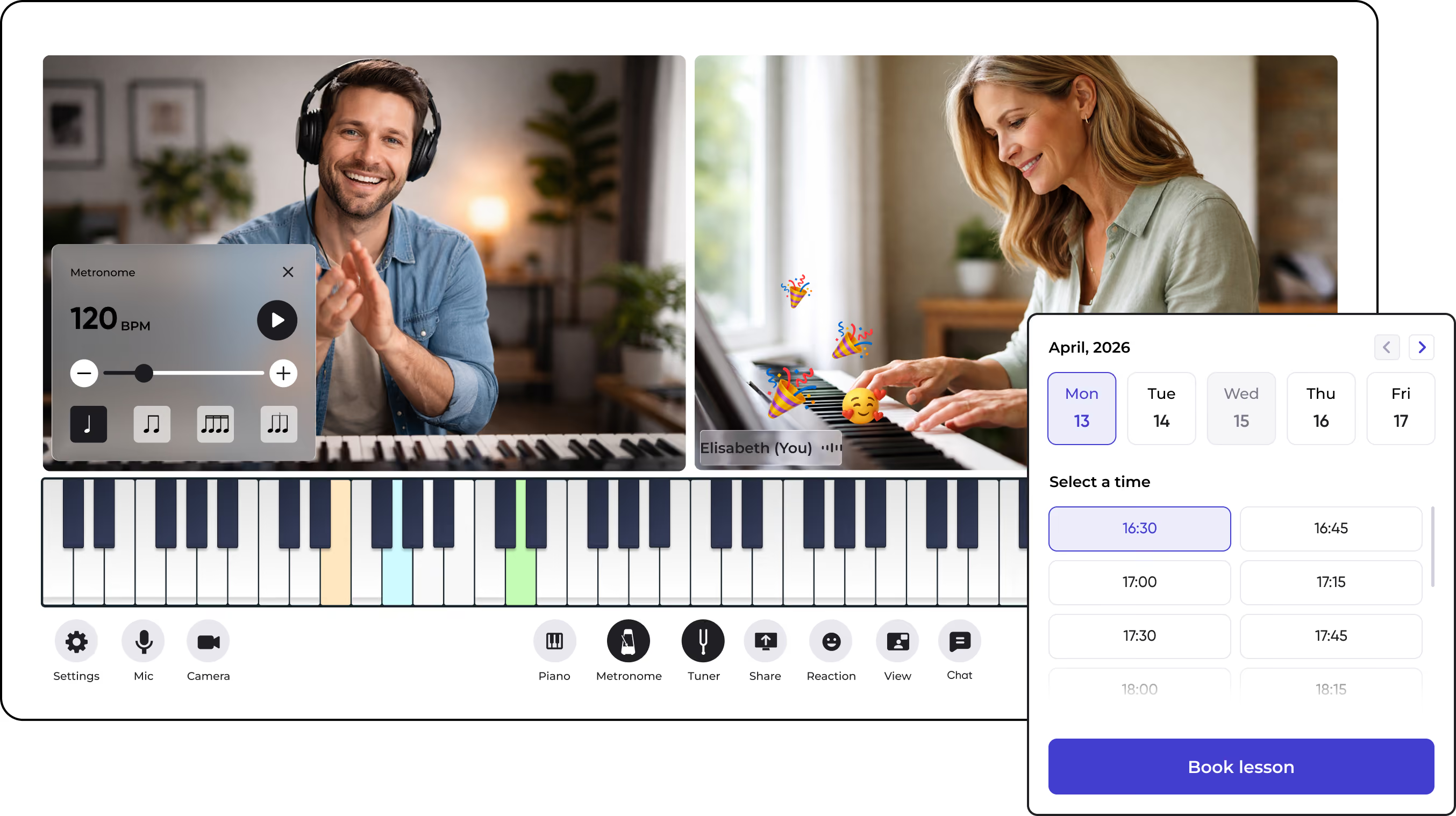
SIRIUS gives you one-on-one piano lessons shaped around you, and everything from finding your teacher to payment runs through one platform. Adding an extra session before a recital or moving a lesson to a quieter week takes a few clicks in the booking tool. If you do not own an instrument yet, you can rent a keyboard through us and start right away.
In your lessons you learn to read both clefs, understand how chords are built, keep a steady pulse and use the sustain pedal so it clarifies rather than blurs your playing. Music theory arrives when it explains something under your hands, never as homework for its own sake.
Alongside your lessons you get the SIRIUS Workspace, a digital home for everything you are working on. Sheet music, fingering notes and the exercises your teacher assigns stay in one place, lessons can be summarized automatically so you can look up what you covered, and recordings of your sessions let you watch your own hands and check posture, tempo and dynamics between lessons.
You can also join monthly group sessions with other players, hear how they approach a piece and get feedback beyond your one-on-one lessons. For many students that mix of private coaching and community is what keeps daily practice going.
More hours = a better price per hour. Every plan: 45-min one-on-one lessons with vetted teachers.
Perfect to get started.
/hour
/hour
2 hours / month
$80.10 / month
$89.00 / month
with a 6-month membership
with a 3-month membership
↓ You save $53.40 with a 6-month plan
For lasting progress.
/hour
/hour
3 hours / month
$98.10 / month
$109.00 / month
with a 6-month membership
with a 3-month membership
↓ You save $65.40 with a 6-month plan
Faster progress, more practice.
/hour
/hour
4 hours / month
$116.10 / month
$129.00 / month
with a 6-month membership
with a 3-month membership
↓ You save $77.40 with a 6-month plan
All prices incl. VAT · Pause anytime
Do you have any experience?
Hast du bereits Erfahrung?
Many music students all over the world already trust SIRIUS.
My daughter was able to start singing lessons the very next day, and the sessions with Leonie are fantastic!

Anita
Mother of a singing student
David explained music theory to me in such a clear, vivid way. I’ve been at it for 4 months now and I love it…

Robert
Piano student
I always used to shy away from sheet music and music theory. Now, learning the piano is actually fun for me…

Christiane
Piano Student
I actually just wanted to learn a few campfire songs on the guitar, but I’ve been at it for over half a year now. Highly recommended!

Alex
Guitar student
Julianna is fantastic! The professional voice training has completely transformed my stage presence…

Beatrix
Vocal student
The local going rate for private teaching sits at $40 to $90 per hour across the metro area. That band covers independent studio teachers as well as instruction in your home, and it is the figure worth holding in mind while you compare options. SIRIUS prices its own online lessons separately. The first lesson is a free trial and there is no long contract to sign afterward.
On a grand, the right pedal lifts the dampers so the strings keep ringing, the left una corda shifts the action sideways so each hammer strikes fewer strings, and the middle sostenuto sustains only the notes already held down when you press it. Uprights work differently: the left pedal usually shortens the hammer throw, and the middle is often a felt muffler for quiet practice rather than a true sostenuto.
No. The first lessons go on reading, hand independence and rhythm, and most beginner repertoire is written without pedal markings. You will want one inside the first year, though, once pieces start asking you to hold a harmony while the hands move. If you are buying a digital instrument, choose a continuous or piano-style pedal rather than a flat footswitch, because half-pedaling depends entirely on depth.
Your teacher will mostly hear it rather than watch it. Pedal errors have an unmistakable sound, with harmonies smearing into one another or a bass note vanishing early, and that is how they get diagnosed at the instrument as well. Expect to be asked to say out loud when you lift, or to play a passage twice, once with pedal and once without.
No. Adults usually arrive with reading, counting and pattern recognition already in place from other parts of life, and they choose their own repertoire, which keeps motivation steady. What adults tend to have less of is unbroken time, so practice works better in short daily stretches than in one long weekend session. Physical habits like hand shape and pedal timing simply need patient repetition.
Hast du bereits Erfahrung?
Hast du bereits Erfahrung?
SIRIUS Music School teaches one to one and online, and this page is for anyone weighing up piano lessons in St. Louis, from zero, after a long gap, or chasing something specific. St. Louis, MO carries a real keyboard history and a busy concert calendar.
Ragtime was written in this city. Missouri State Parks, which operates the Scott Joplin House State Historic Site, says Joplin lived at 2658A Morgan Street about a year and a half from spring 1901, and credits that stretch with "The Entertainer," "Elite Syncopations" and "Ragtime Dance." The street is Delmar Boulevard now, and a player piano there turns ragtime-era rolls.
A beginner's week splits into a few clear jobs. One is reading: turning dots on two staves into a decision your hands can act on fast enough to keep the beat. One is coordination, mostly slow repetition of two-bar fragments, not whole pieces. One is listening, whether a chord came out even, whether the melody sat above the accompaniment, whether a phrase tapered or stopped. Progress shows up in the fragments first and the whole piece much later, which is why a teacher often asks for four bars instead of forty. Scales and chord shapes sit underneath it all, and a good piano teacher in St. Louis keeps that portion from swallowing the hour.
Three pedals on a grand, three different jobs. The right one is the sustain or damper pedal: it lifts the dampers so notes keep sounding after your fingers leave the keys. The left one on a grand is the una corda, which slides the action sideways so each hammer strikes fewer strings, a change of color more than loudness. On most uprights it instead moves the hammers closer to the strings, shortening the throw. The middle pedal is where confusion lives. A grand's middle pedal is a sostenuto: press it after keys are already down and it holds only those dampers up; everything played afterward stays dry. An upright's middle pedal is usually a practice or muffler pedal, dropping felt between hammers and strings to quieten it; on some uprights it is a bass sustain. Genuinely different mechanisms, and plenty of uprights have neither a true sostenuto nor a bass sustain. The sustain pedal is a clarity control, not a volume control. Held through a chord change it lets the old harmony bleed into the new one and everything turns to mud. Changing the pedal with the harmony means lifting at the instant the chord changes and pressing again just after the new notes sound, so the sustain carries the new chord and drops the old. Half-pedaling, resting the dampers partway onto the strings to bleed off ring without killing it, arrives later, once your ear hears the difference. That matters when buying a digital instrument: a flat plastic footswitch behaves like an on/off switch, while a continuous or piano-style pedal unit reads how far down your foot is, and depth is the whole point of half-pedaling. If you do not own an instrument yet, a keyboard rental is available through SIRIUS. With any rented or borrowed board, ask what pedal comes with it.
Matching happens by hand: you are paired with someone from more than 150 SIRIUS-vetted music teachers, picked around your level, aims and the repertoire you have in mind. Each student gets a personal online workspace holding sheet music, lesson notes and recordings, so nothing between sessions depends on what you happened to remember. The local going rate for private teaching sits at $40 to $90 per hour across the metro area. With SIRIUS there is no long contract, and the first lesson is a free trial. As for the technology, there is no app to sign up for and nothing to install, a browser tab is the whole setup, with audio tuned for musical sound rather than speech.
The St. Louis Symphony Orchestra traces itself to 1880 and describes itself as the nation's second-oldest orchestra. Stephane Deneve is the Joseph and Emily Rauh Pulitzer Music Director and leads the 2026-27 season, his ninth. The orchestra's home reopened in September 2025 after an expansion and renovation: the concert hall is still Powell Hall, and the campus around it is now the Jack C. Taylor Music Center. In Grand Center, the Sheldon opened in October 1912 to a design by 1904 World's Fair architect Louis Spiering; the Fabulous Fox opened on January 31, 1929. Jazz St. Louis, founded in August 1995 as Jazz at the Bistro, runs the Harold and Dorothy Steward Center for Jazz. The Washington University Department of Music sponsors over 130 concerts and lectures a year, and the University of Missouri-St. Louis Department of Music is an All-Steinway School.
Children can begin once they can sit at the keyboard and hold attention for a short focused stretch. Teenagers usually arrive with a piece they want, and that piece becomes the lesson plan. Adults bring clear goals and little free time, so work gets built around short daily sessions. Advanced players use lessons differently again, for repertoire coaching, audition preparation, sight-reading, or getting one stubborn passage to behave.
Book a free trial lesson and see how it feels. Bring the piece you want to play.
Bei SIRIUS kannst Du kostenlos eine Probestunde nehmen.
Die Anmeldung ist 100% kostenlos und unverbindlich.
Wir schicken Dir nach der Anmeldung Terminvorschläge für Deine gratis Probestunde.
Worauf wartest du noch?




.avif)
.avif)


