
.avif)


Do you have any experience?
Hast du bereits Erfahrung?
Tell us your goals and we pair you with a SIRIUS-vetted piano teacher who fits them, so you can start playing online at a time that fits your week.
After the free trial lesson you agree on times directly with your teacher, and you can move a session whenever work, school or family gets in the way.
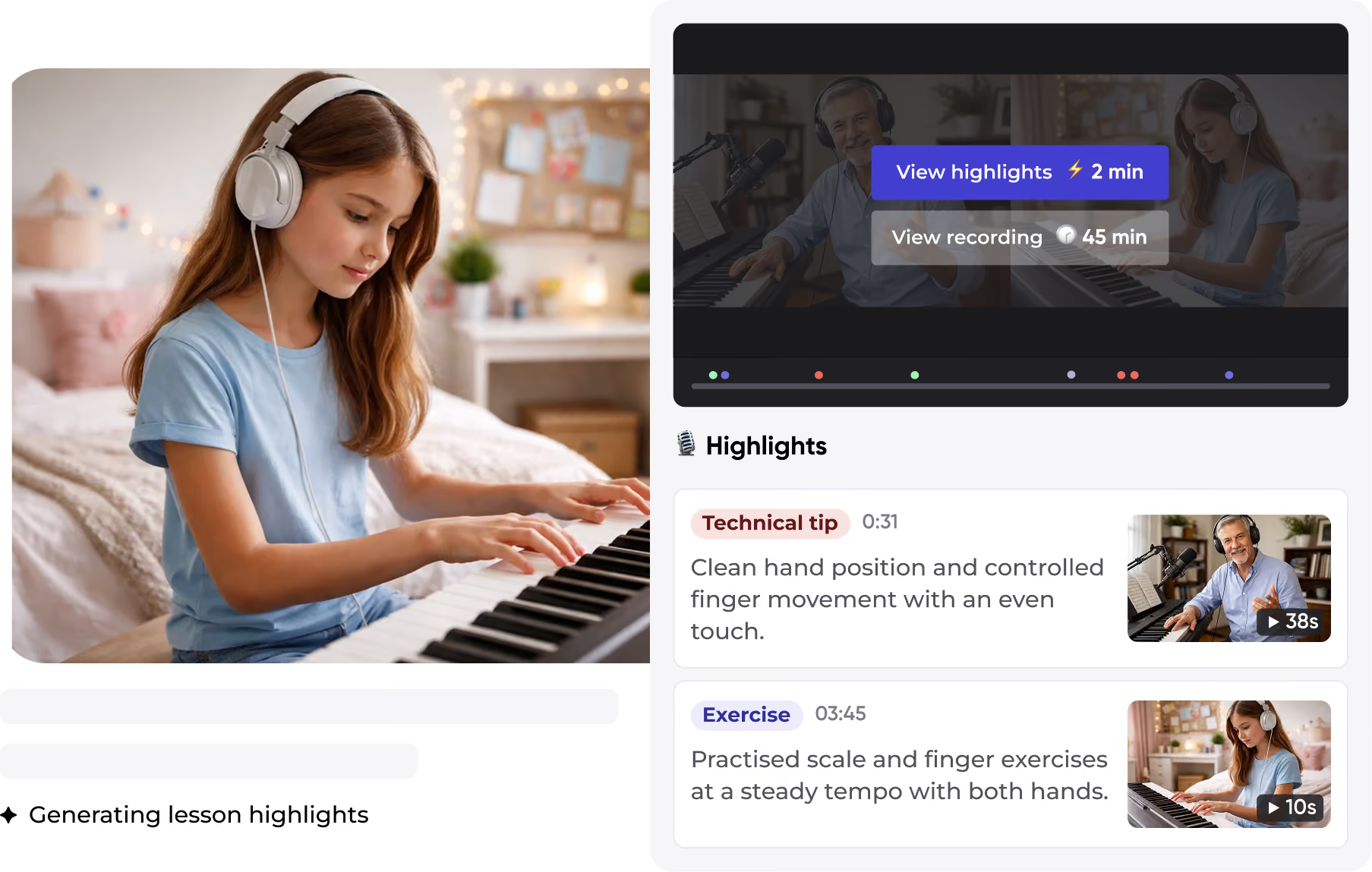
The SIRIUS Workspace holds your sheet music, the exercises your teacher assigns and the recordings of your sessions, so the days between lessons stay productive.
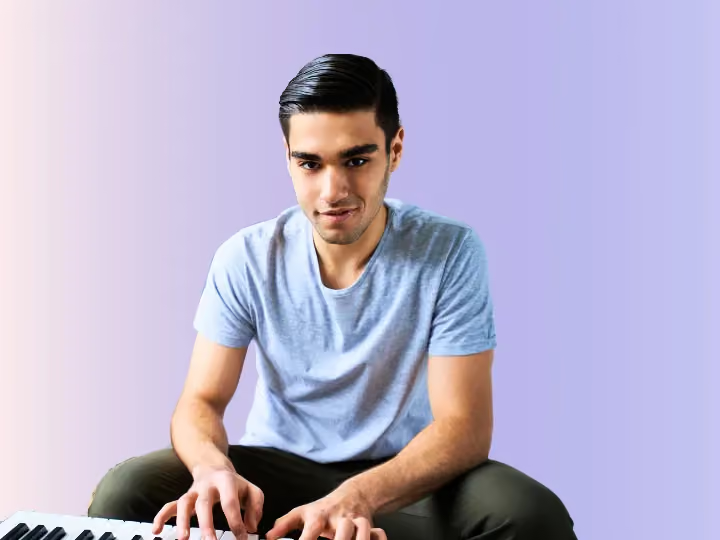
Do you want to learn piano and find a piano teacher in Pittsburgh? We work with more than 150 SIRIUS-vetted music teachers and match you with the one who suits your goals, whether you are pressing your first keys or returning to an instrument you left behind years ago. Classical repertoire, pop songs, jazz voicings or the styles you grew up hearing: you decide what your lessons are about.
Our teachers help you build technique that lasts instead of habits you later have to unlearn. The SIRIUS platform was developed for online instrumental teaching, so sound quality stays clear enough to hear touch and pedaling, and you can join from anywhere in Pittsburgh without installing extra software.
.avif)



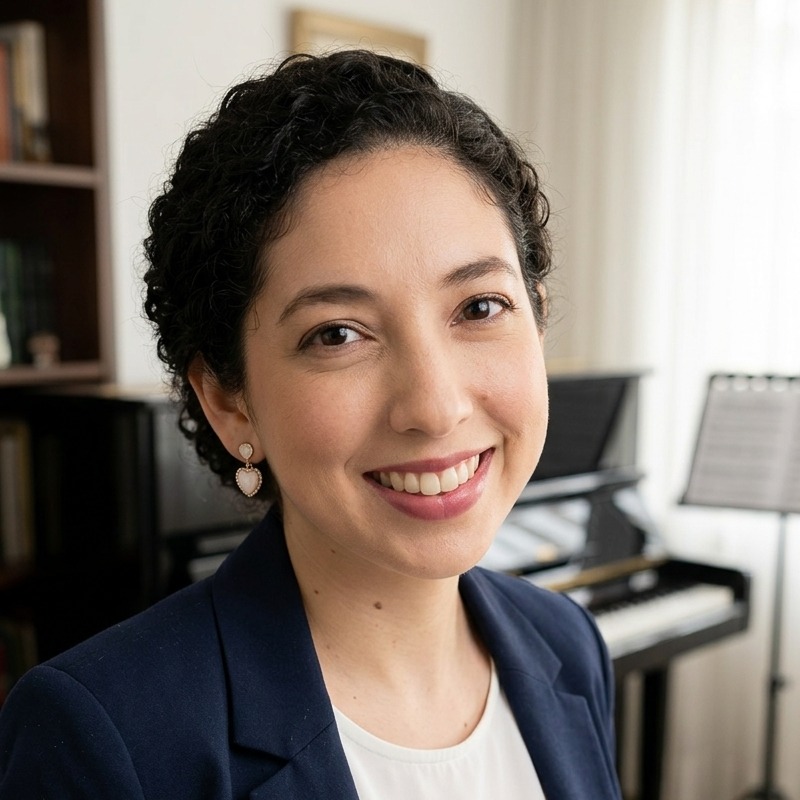
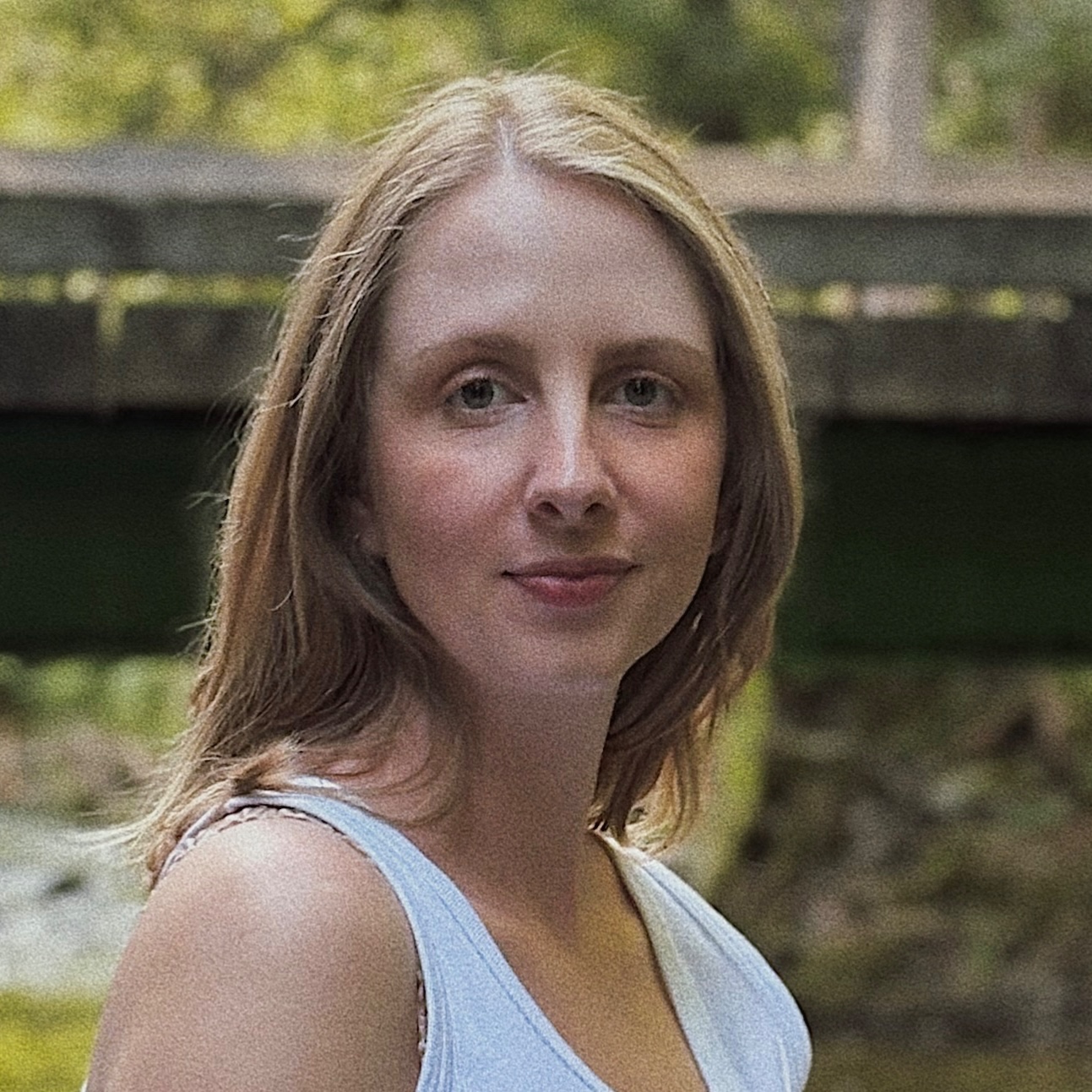
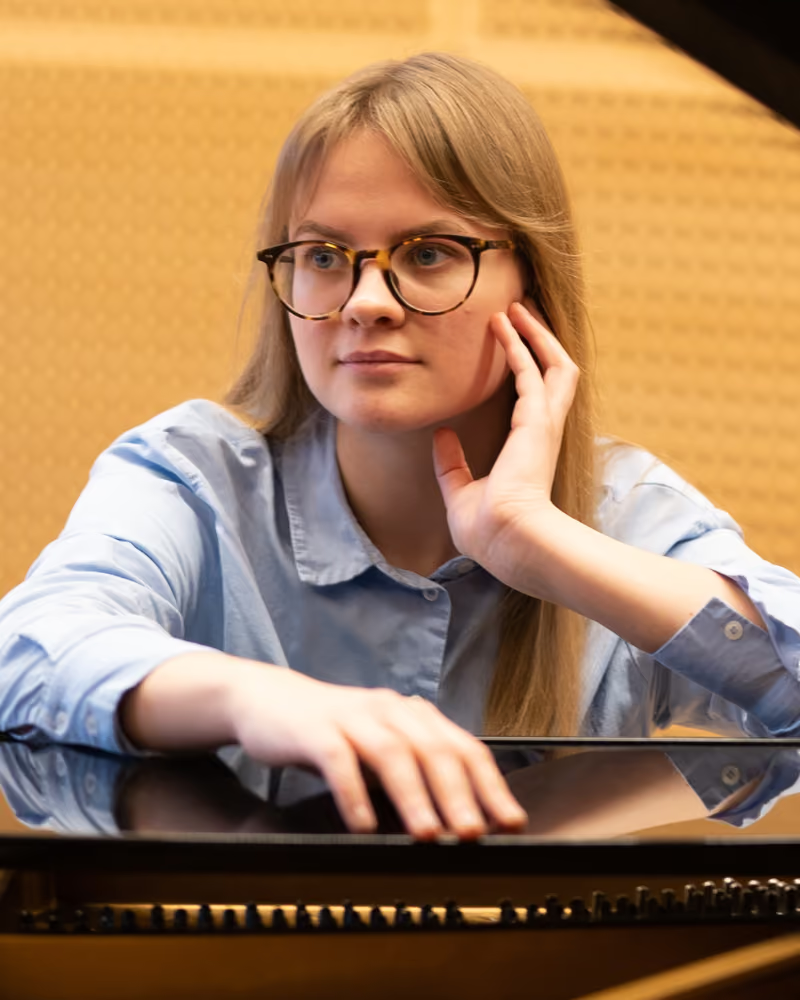
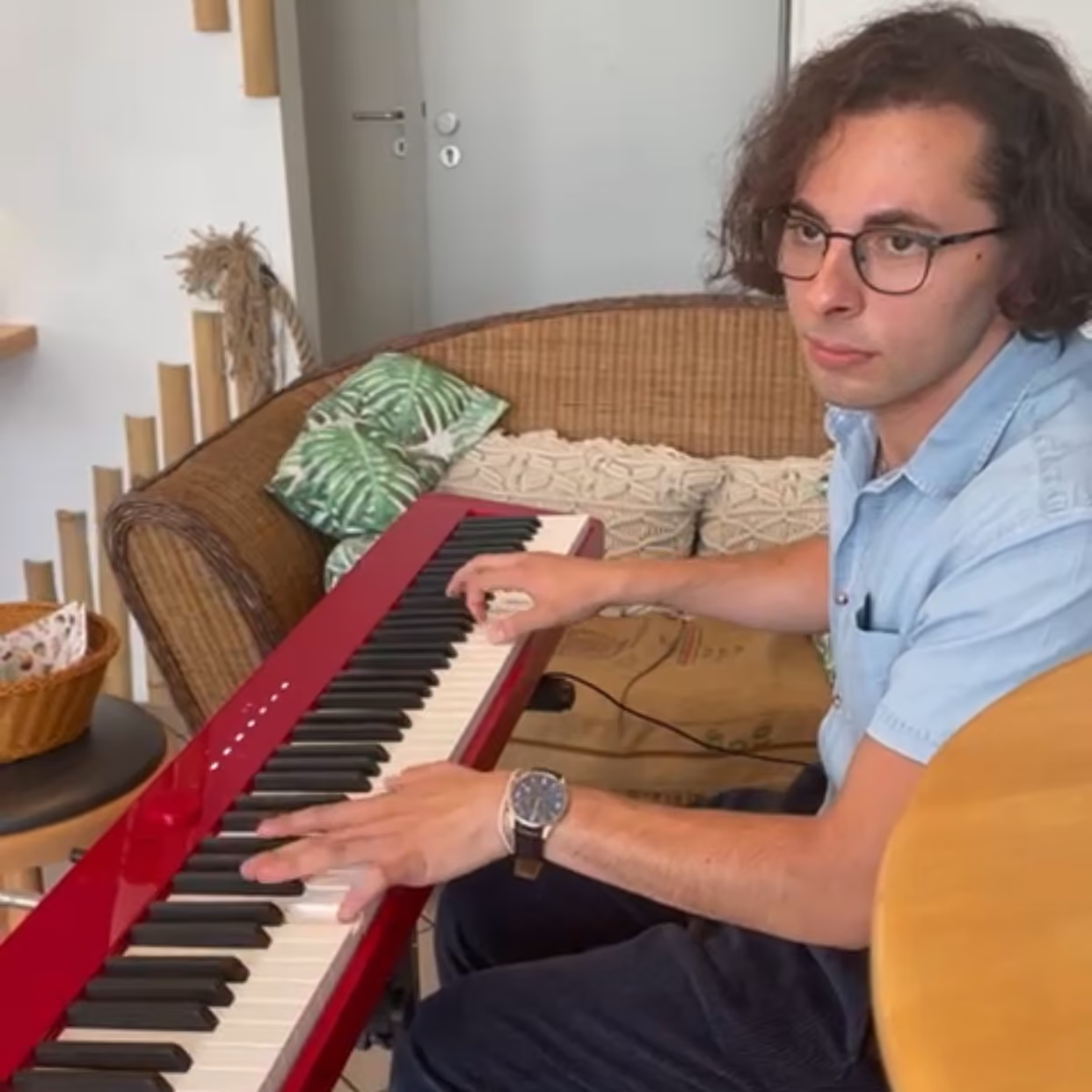


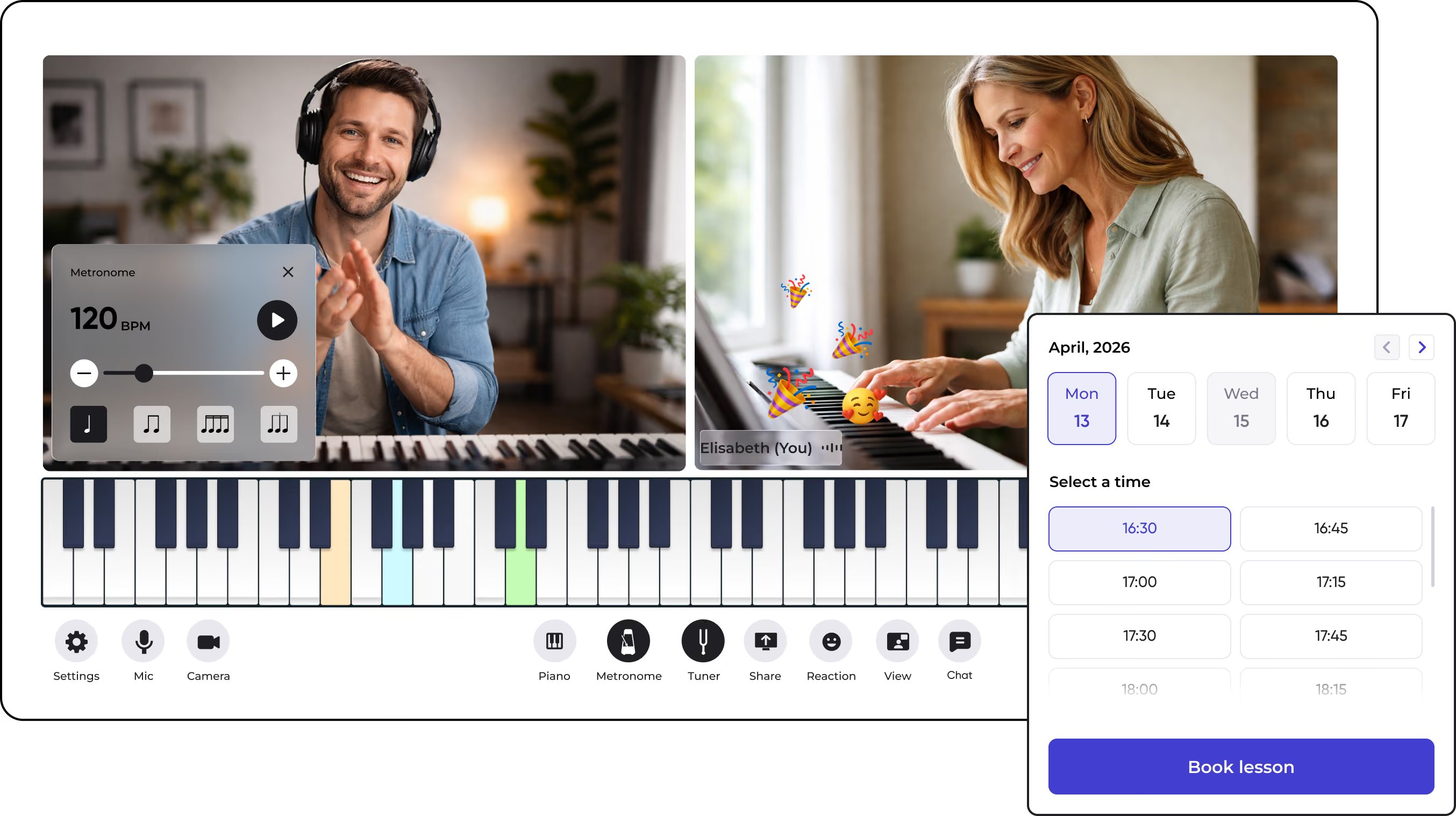
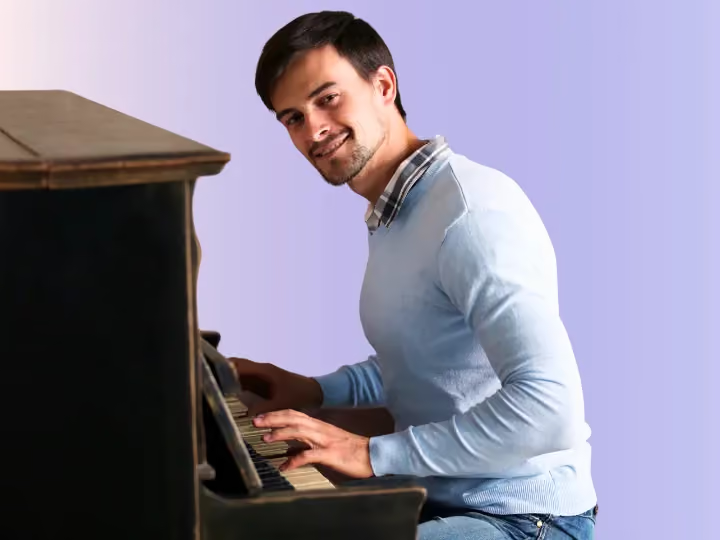
SIRIUS gives you one-on-one piano lessons shaped around you, and everything from finding your teacher to payment runs through one platform. Adding an extra session before a recital or moving a lesson to a quieter week takes a few clicks in the booking tool. If you do not own an instrument yet, you can rent a keyboard through us and start right away.
In your lessons you learn to read both clefs, understand how chords are built, keep a steady pulse and use the sustain pedal so it clarifies rather than blurs your playing. Music theory arrives when it explains something under your hands, never as homework for its own sake.
Alongside your lessons you get the SIRIUS Workspace, a digital home for everything you are working on. Sheet music, fingering notes and the exercises your teacher assigns stay in one place, lessons can be summarized automatically so you can look up what you covered, and recordings of your sessions let you watch your own hands and check posture, tempo and dynamics between lessons.
You can also join monthly group sessions with other players, hear how they approach a piece and get feedback beyond your one-on-one lessons. For many students that mix of private coaching and community is what keeps daily practice going.
More hours = a better price per hour. Every plan: 45-min one-on-one lessons with vetted teachers.
Perfect to get started.
/hour
/hour
2 hours / month
$80.10 / month
$89.00 / month
with a 6-month membership
with a 3-month membership
↓ You save $53.40 with a 6-month plan
For lasting progress.
/hour
/hour
3 hours / month
$98.10 / month
$109.00 / month
with a 6-month membership
with a 3-month membership
↓ You save $65.40 with a 6-month plan
Faster progress, more practice.
/hour
/hour
4 hours / month
$116.10 / month
$129.00 / month
with a 6-month membership
with a 3-month membership
↓ You save $77.40 with a 6-month plan
All prices incl. VAT · Pause anytime
Do you have any experience?
Hast du bereits Erfahrung?
Many music students all over the world already trust SIRIUS.
My daughter was able to start singing lessons the very next day, and the sessions with Leonie are fantastic!

Anita
Mother of a singing student
David explained music theory to me in such a clear, vivid way. I’ve been at it for 4 months now and I love it…

Robert
Piano student
I always used to shy away from sheet music and music theory. Now, learning the piano is actually fun for me…

Christiane
Piano Student
I actually just wanted to learn a few campfire songs on the guitar, but I’ve been at it for over half a year now. Highly recommended!

Alex
Guitar student
Julianna is fantastic! The professional voice training has completely transformed my stage presence…

Beatrix
Vocal student
Teachers around the city quote $40 to $90 per hour for private instruction. That figure describes the local market rate charged by independent teachers, not what SIRIUS charges. Rates differ from studio to studio, so ask directly when you inquire. University-affiliated community programs, including City Music Center at Duquesne and the Carnegie Mellon Preparatory School, publish their own lesson packages on their websites. A SIRIUS trial lesson is free and carries no obligation.
Often yes, but check the structure before the delivery truck arrives. An upright concentrates several hundred pounds onto a small footprint, and a converted attic's joists may have been sized for storage rather than living space, so a contractor or structural engineer is worth a phone call. Look at the stairs too, which usually narrow and turn at a landing. A digital instrument sidesteps the weight, the tuning and the temperature swings entirely.
Faster than people fear on the early tasks and slower than they hope on the final polish. With short daily practice, straightforward pieces using both hands usually arrive inside the first few months, and reading becomes comfortable across the first year or two. Evenness and rhythmic control keep developing for years after that. Improvement tends to come in steps rather than a smooth curve, which is normal rather than a warning sign.
Sound and sightlines. A SIRIUS lesson opens in the browser without any installation, and the audio path is designed for music, so chords, dynamics and pedal reach your teacher instead of being flattened into speech. Position your device so the keyboard and your wrists are visible. Sheet music, written notes and recordings live in your workspace, which lets a piano teacher in Pittsburgh or anywhere else resume exactly where you stopped.
Yes. Adults who start at that stage choose their own repertoire, practice because they want to, and grasp structure quickly. Hands take longer to loosen, so a good teacher builds technique in small increments and selects pieces that reward phrasing rather than speed. Many people beginning at sixty are playing music they have wanted for decades inside a couple of years, and nothing about the process assumes youth.
Hast du bereits Erfahrung?
Hast du bereits Erfahrung?
Pittsburgh has been turning out piano players for a century, and the institutions behind that are still here: a symphony downtown, three university music programs, and a jazz history you can trace through East Liberty and the Hill District. If you are considering piano lessons in Pittsburgh, you can pick from an established local market, or study online with a teacher matched to you rather than to your neighborhood.
Carnegie Mellon University's School of Music, in its College of Fine Arts, keeps a piano faculty and runs a Preparatory School with weekly private piano lessons and a Saturday beginning program for children ages 5 to 7. Duquesne University's Mary Pappert School of Music operates City Music Center, founded in 1989, with private lessons and group classes for K-12 and adult students. The University of Pittsburgh's Department of Music offers a PhD in Jazz Studies. Graduates of those programs teach privately around town, so the pool you draw from when you look for a piano teacher in Pittsburgh is fed locally.
The first months are mostly geography and reading. You learn where the keys sit and how to find them without watching your hands, you learn to follow two staves at once, and you pick up a working set of chord shapes and the scales behind them. Coordination between the hands comes later and gradually, usually through pieces rather than drills. What takes longest is holding a steady pulse once the music gets harder, which is why teachers spend so long on counting that feels elementary. Short, frequent practice does more than one long weekend session, and a teacher's job between lessons is telling you precisely what to repeat.
A lot of housing here is tall and narrow, and the finished attic is the obvious place to put a musician. Heat rises, so a converted top floor runs hotter in summer and swings further across the year than the rooms below it, and an acoustic instrument up there sees more seasonal movement than one a floor down. Insulation and a dedicated supply vent, or a mini-split, will do more for that piano than any amount of foam on the walls. Floor loading is the question almost nobody asks: an upright concentrates several hundred pounds onto a small footprint, and a converted attic's joists were often sized for storage rather than living space, so talk to a contractor or a structural engineer before anything gets hauled up. Then there are the stairs, usually narrow on a third-floor conversion and turning at a landing. The upside is genuine: it is the quietest room in the house, and nobody is above you. If weight, tuning and temperature all sound like more than you want to take on, a digital instrument takes all three off the table at once, and you can rent a keyboard through SIRIUS while you decide whether something heavier is worth the stairs.
SIRIUS is an online school built around one-on-one teaching. You open the lesson like a web page, with nothing to install, and the audio is set up for music rather than for meetings, so chords and pedal survive the trip. Around the lesson sits a personal online workspace where your sheet music, your teacher's notes and recordings of your playing stay together between sessions. Teachers around the city quote $40 to $90 per hour for private instruction, the going local rate for independent teachers; with SIRIUS there is no long contract, and a free trial lesson comes before any decision. Matching is done by hand rather than by search filter: we place you with one of more than 150 SIRIUS-vetted music teachers, and if the fit turns out wrong we match you again.
The Pittsburgh Symphony Orchestra performs at Heinz Hall, which the orchestra describes as a 2,675-seat hall; it opened in 1971 in the former Loew's Penn Theater, built in 1927. Manfred Honeck has been music director since the 2008/2009 season, and in June 2026 the orchestra extended his contract through 2032/2033. Nearby in the Cultural District of Pittsburgh, PA, the Benedum Center opened as the Stanley Theater in February 1928 and reopened after restoration in September 1987.
The piano lineage matters here. Erroll Garner was born in East Liberty in 1921, and Ahmad Jamal, born in 1930, grew up in the same neighborhood; both attended Westinghouse High School. Mary Lou Williams was born in Atlanta in 1910 and moved here as a child, and Earl Hines, born in Duquesne, Pennsylvania in 1903, came in as a teenager to study at Schenley High School.
For children, the readiness that matters is attention rather than age: sitting at the instrument and following an instruction for a stretch. Some are there at five, some at eight. Adults starting from scratch often move quickly through reading and more slowly through physical habits. Returning players usually rebuild faster than they expect, and mainly need someone to sequence the rebuilding.
A trial lesson costs nothing and commits you to nothing, and it tells you quickly whether a teacher reads you well. Bring whatever you already play, or bring a wish: plenty of adults start by asking for Satie's Gymnopedie No. 1.
Bei SIRIUS kannst Du kostenlos eine Probestunde nehmen.
Die Anmeldung ist 100% kostenlos und unverbindlich.
Wir schicken Dir nach der Anmeldung Terminvorschläge für Deine gratis Probestunde.
Worauf wartest du noch?



.avif)
.avif)


